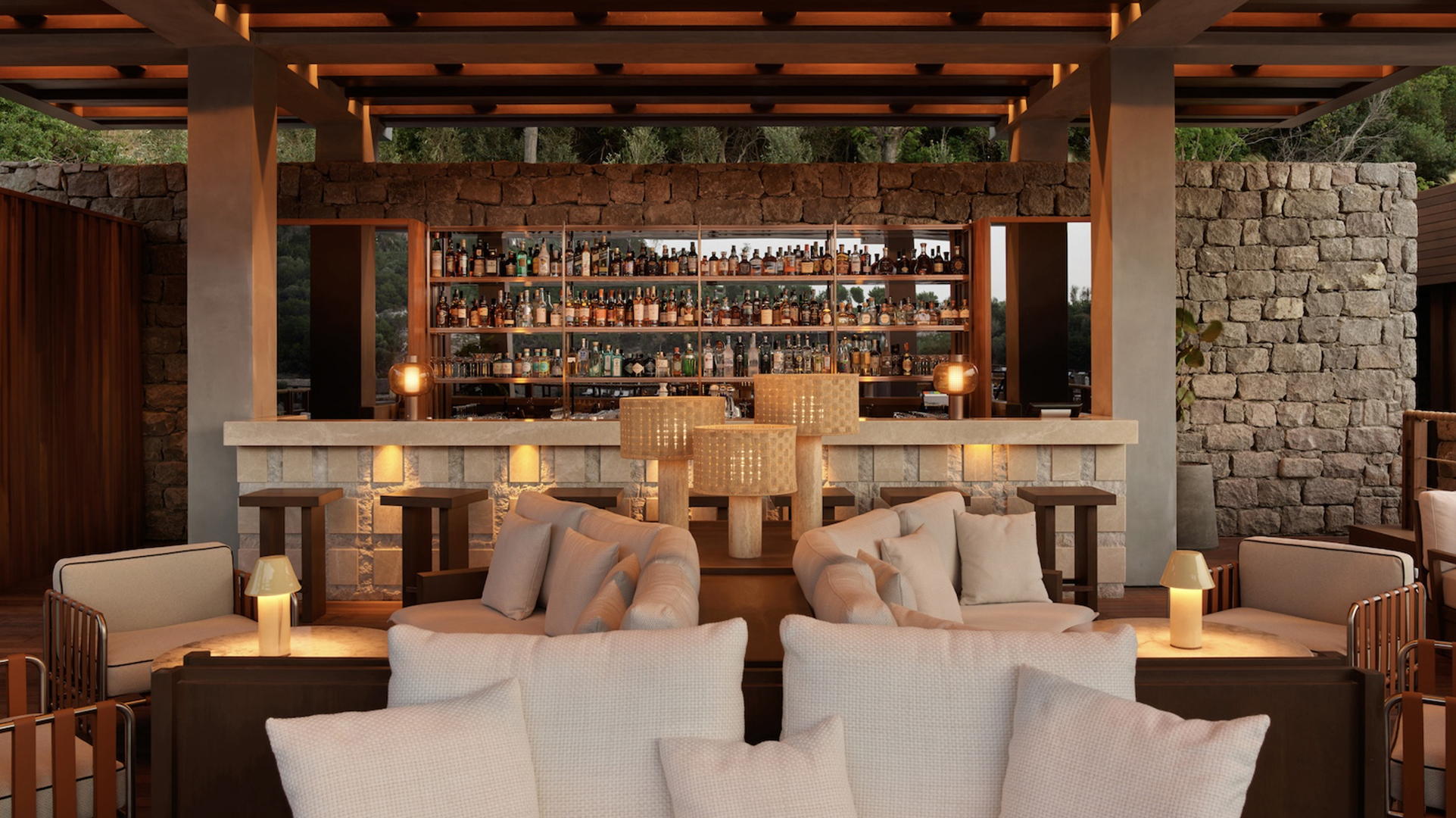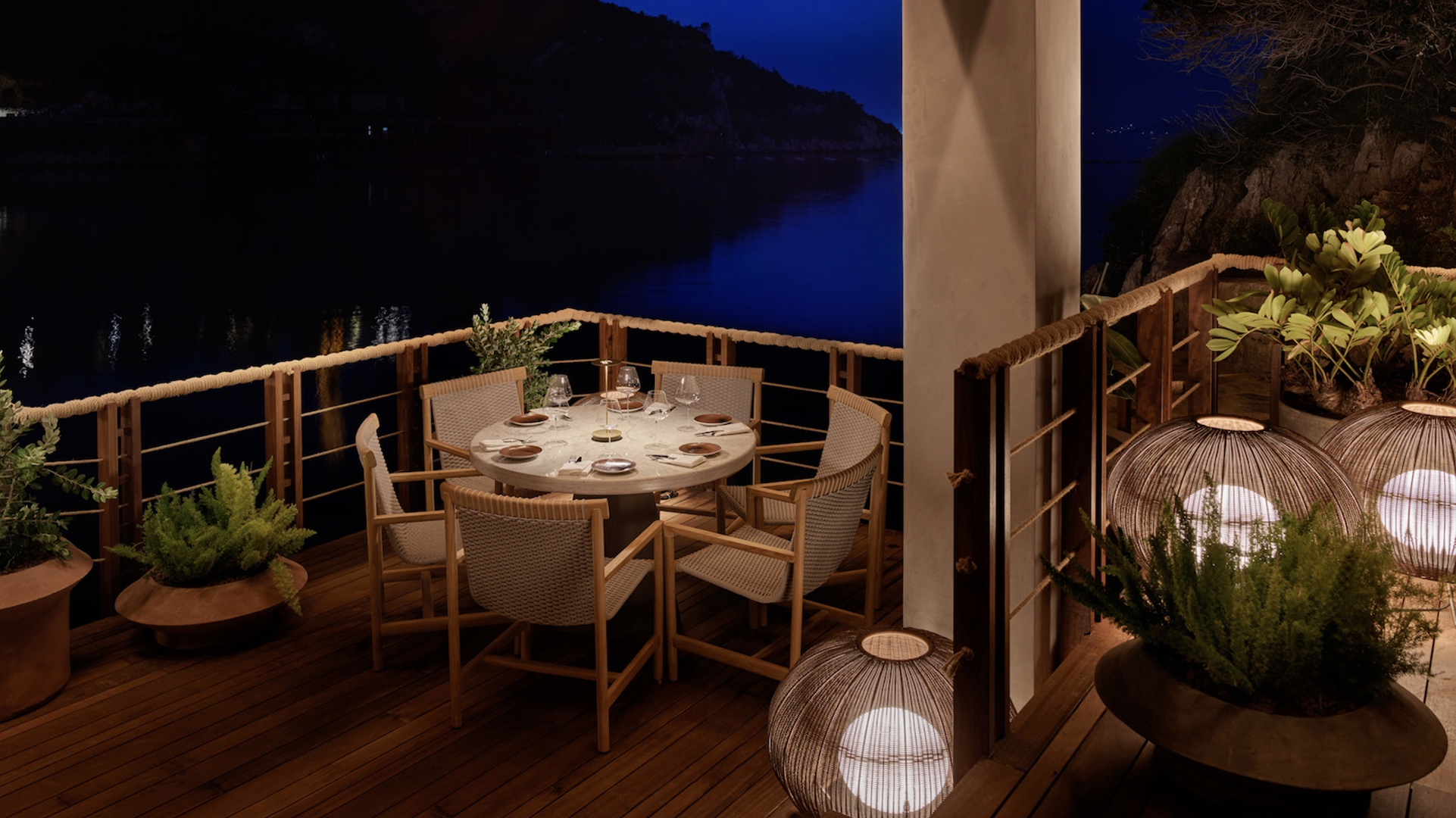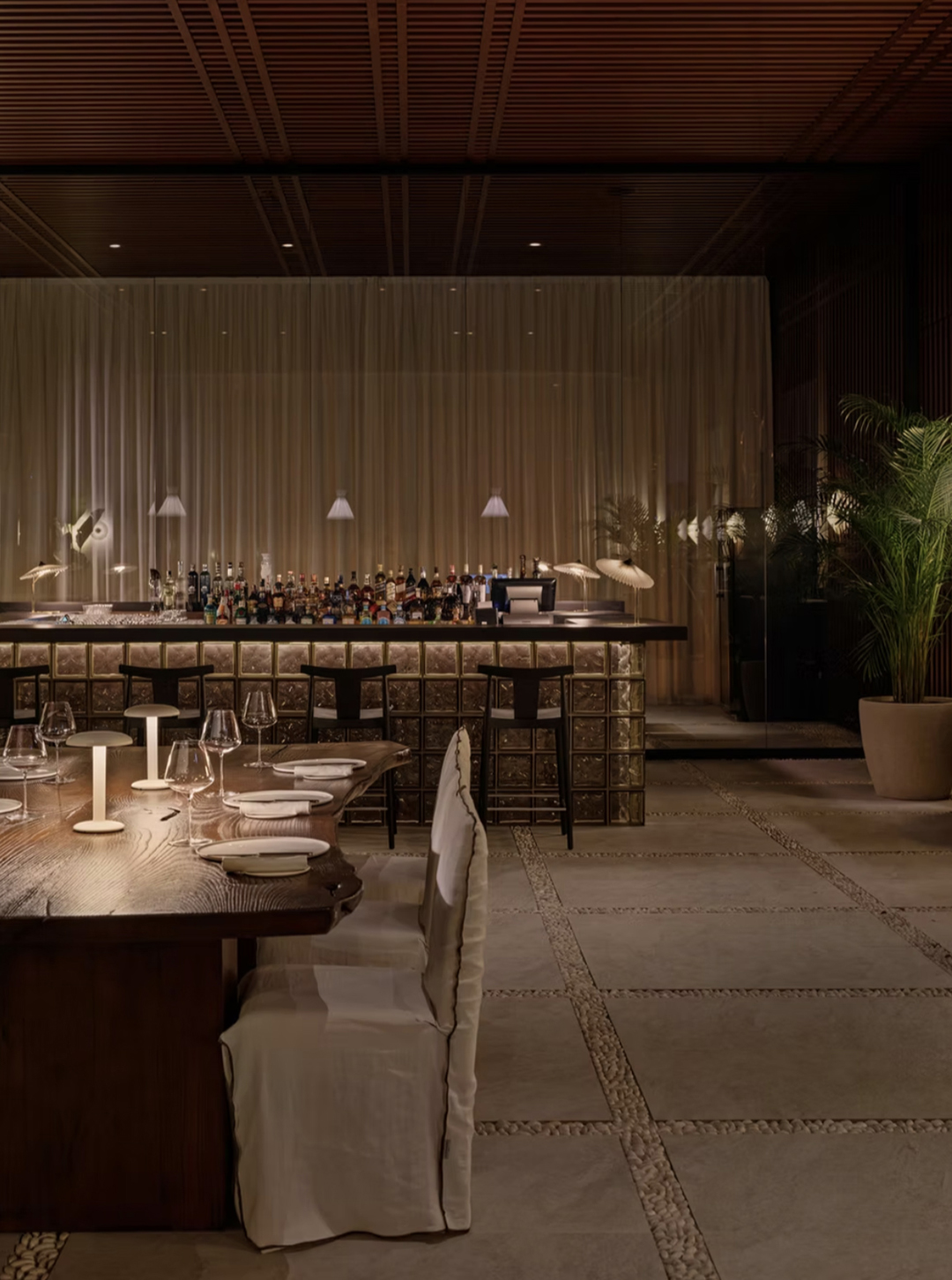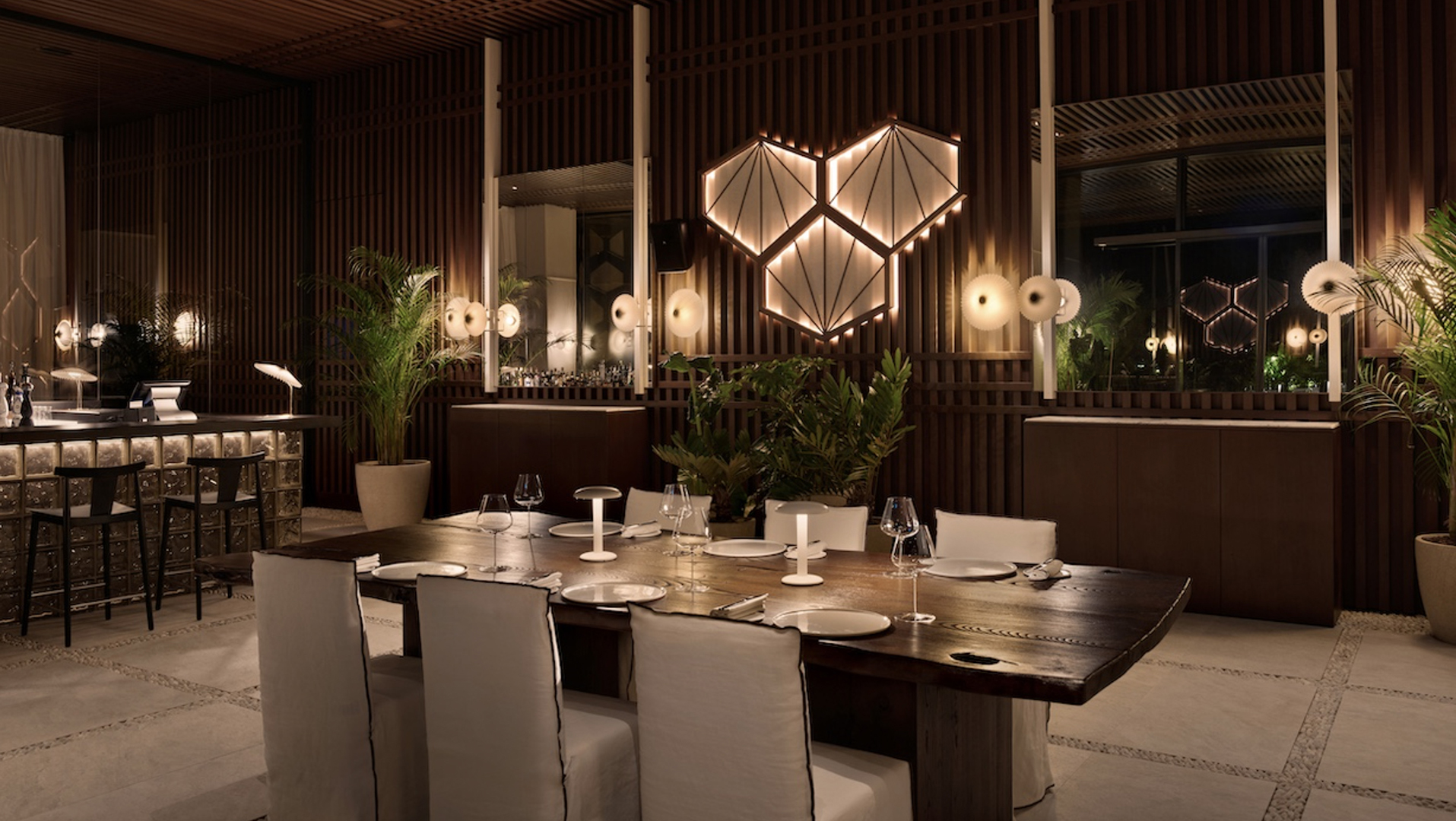
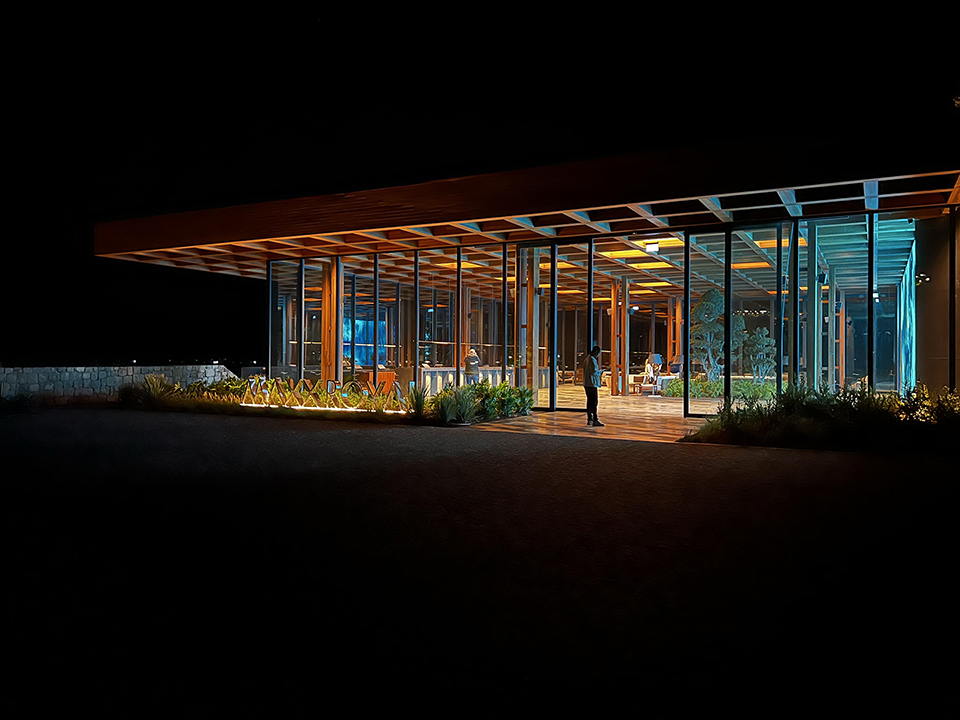
Designing darkness is not about using more light; it is about making deliberate decisions about where light should exist—and where it should gracefully withdraw.
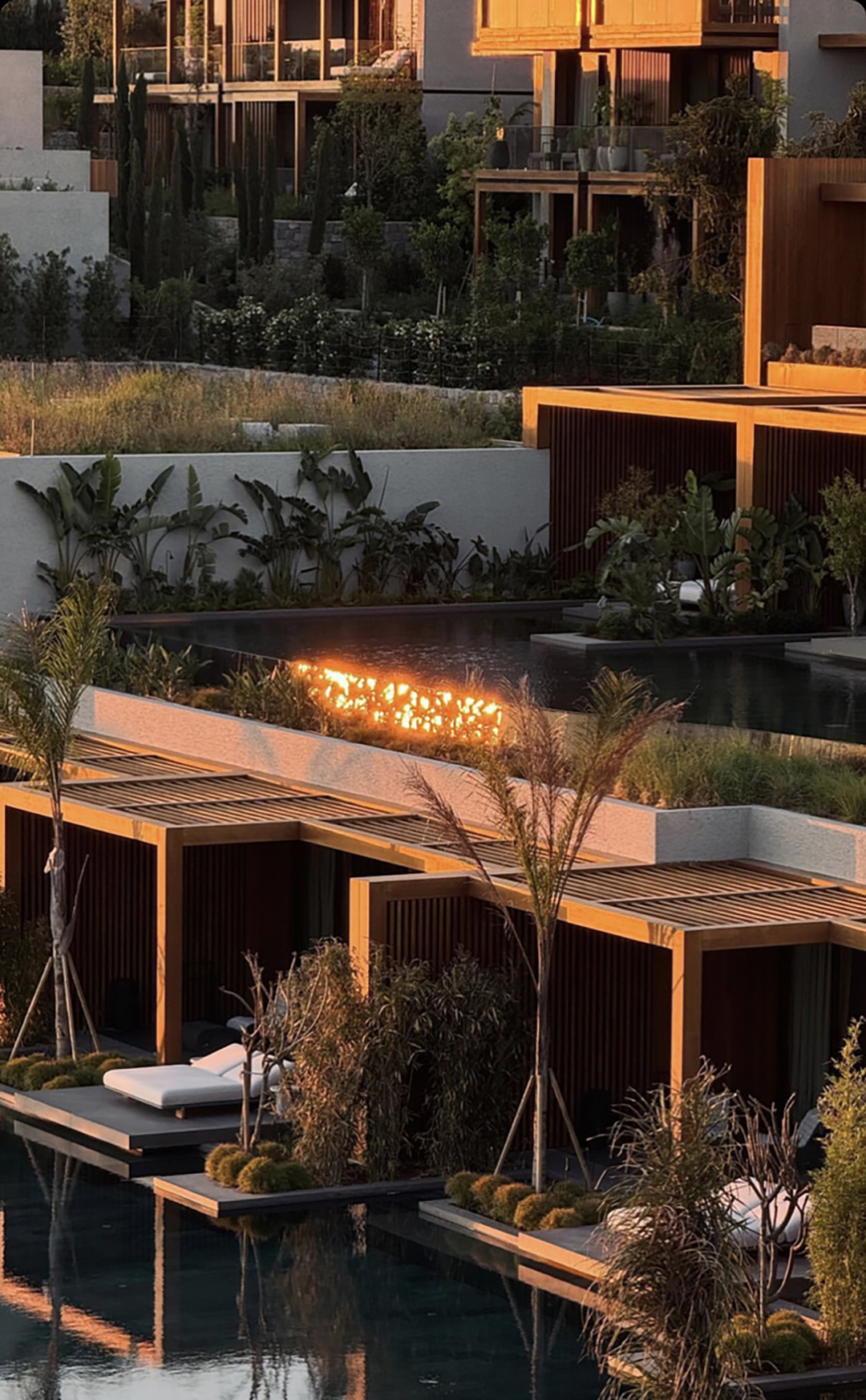
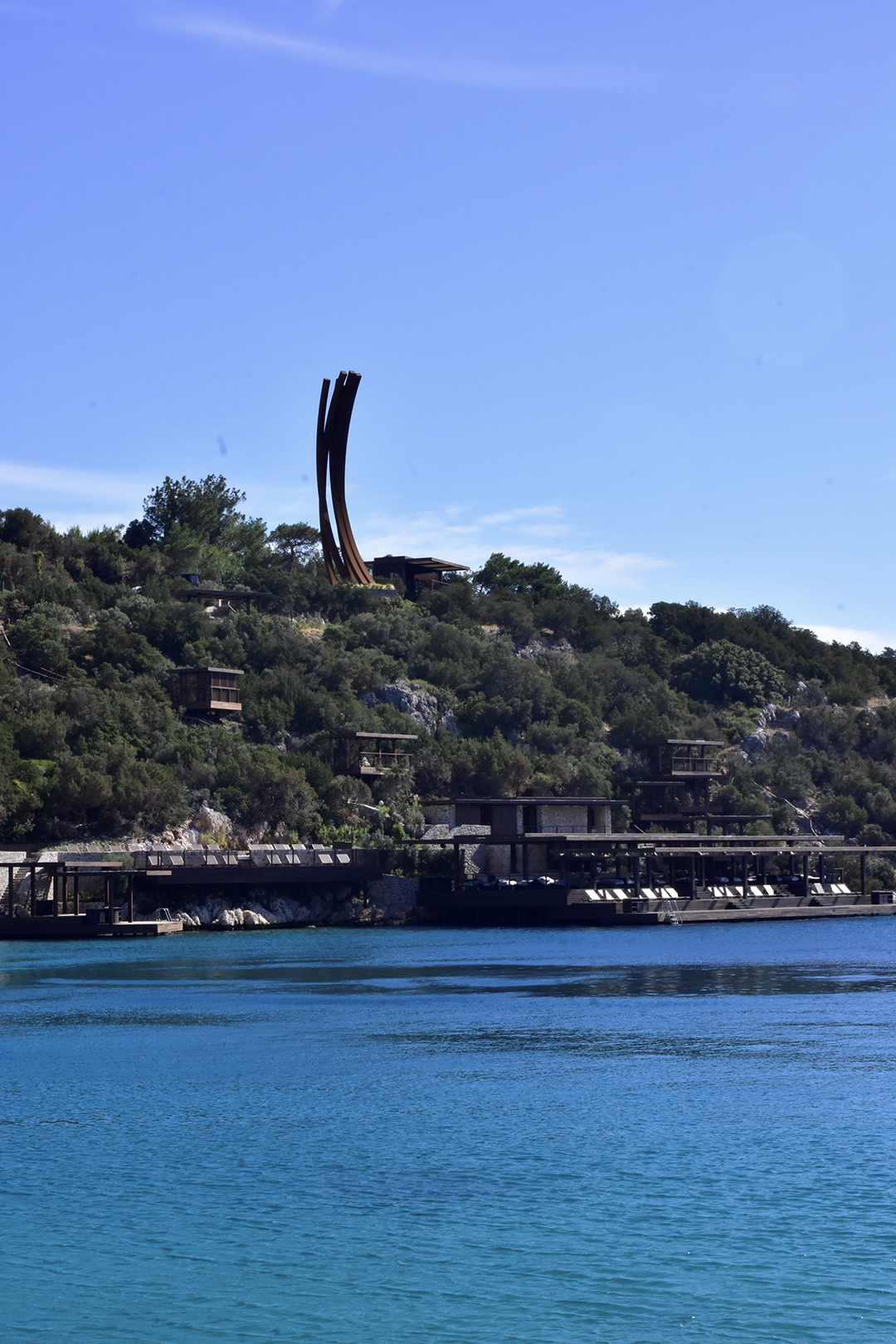
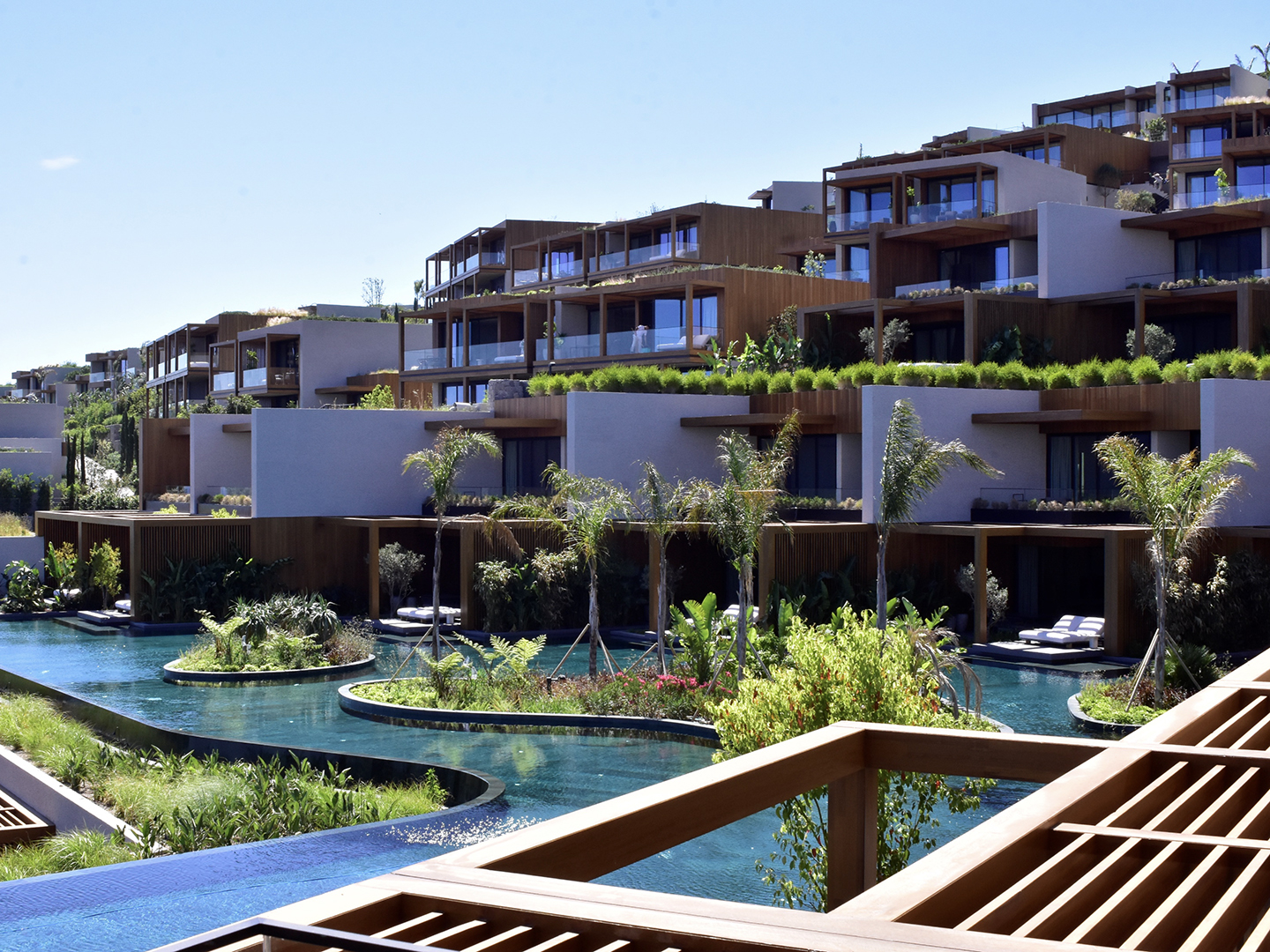
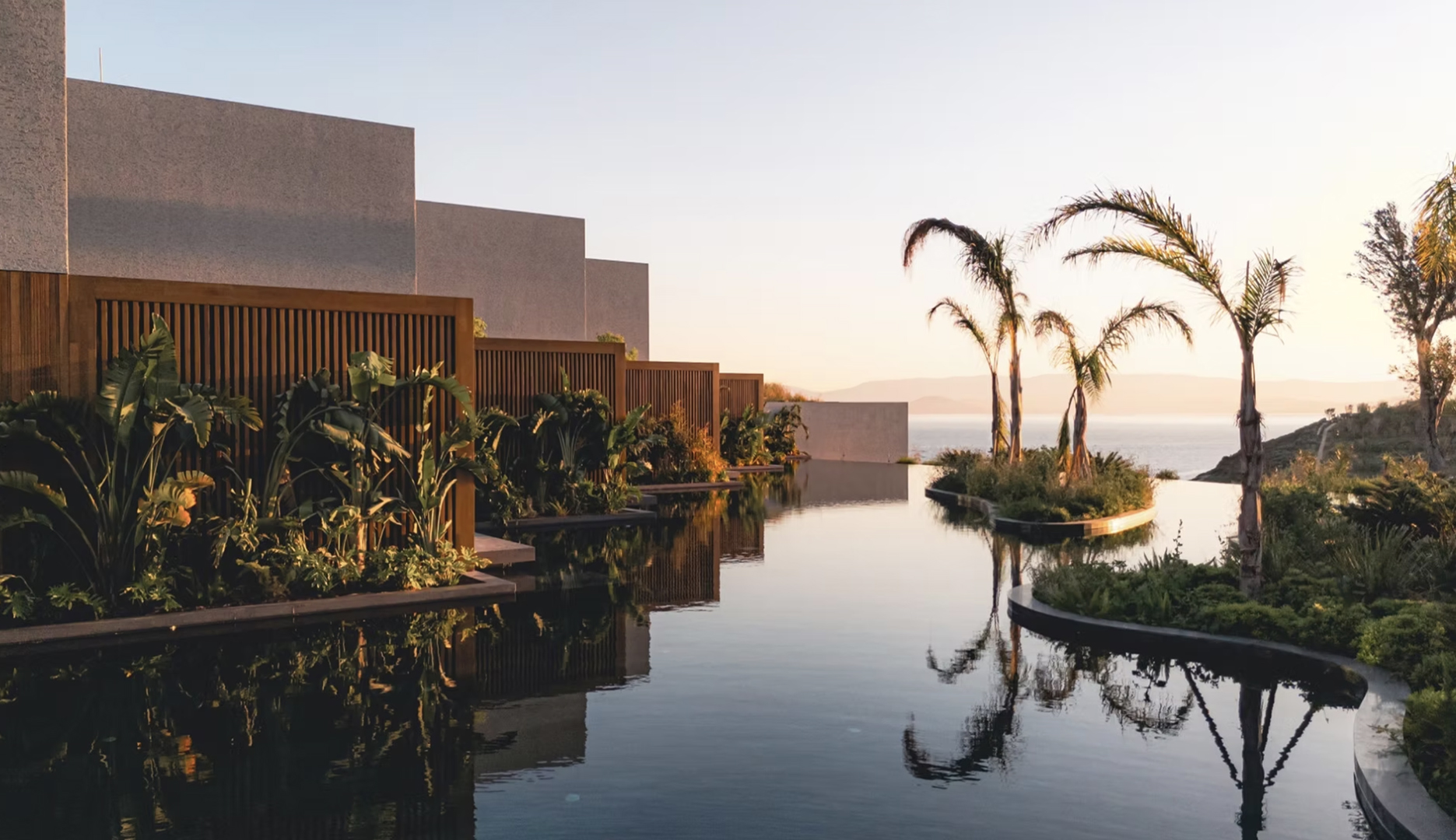
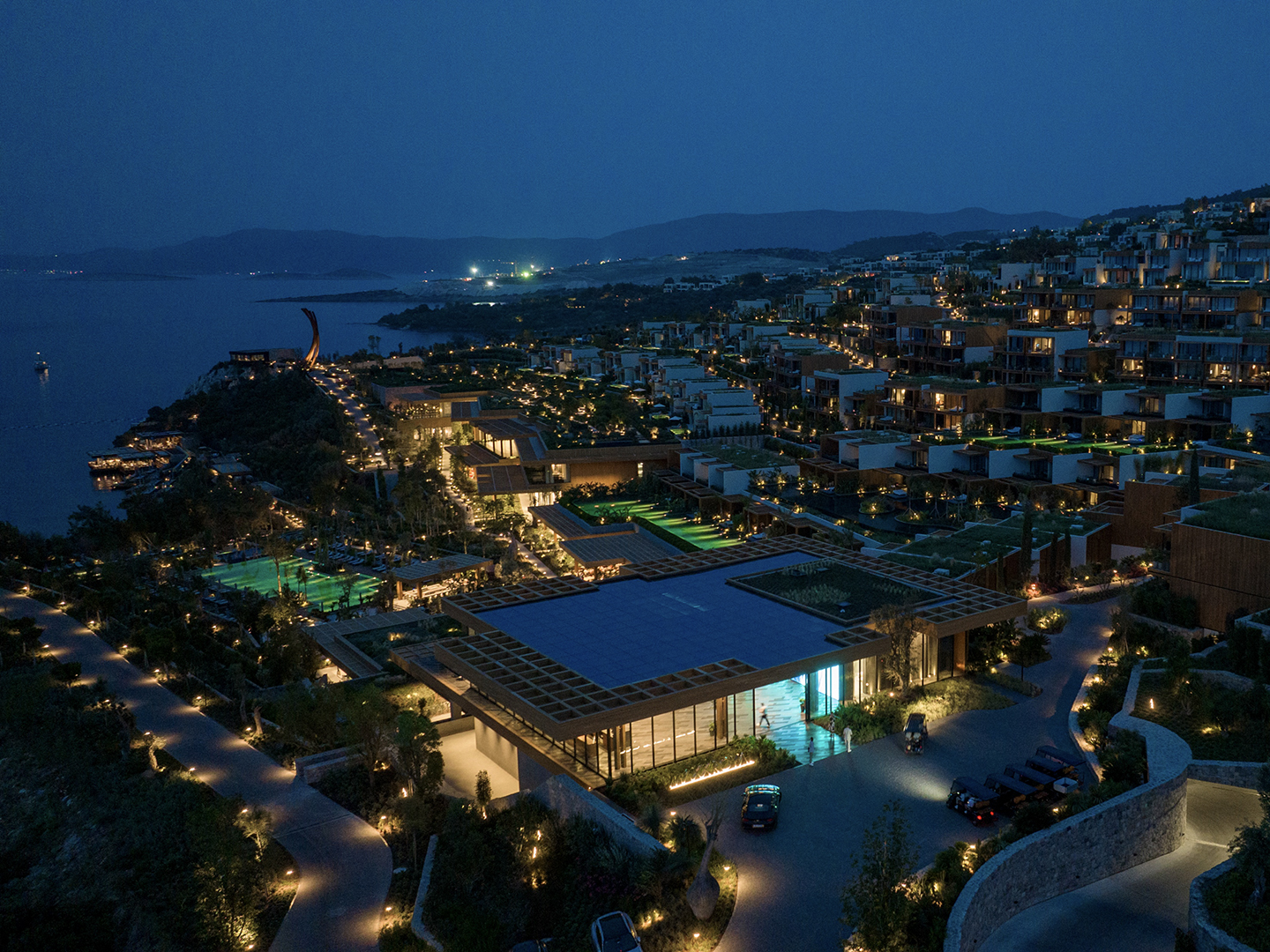
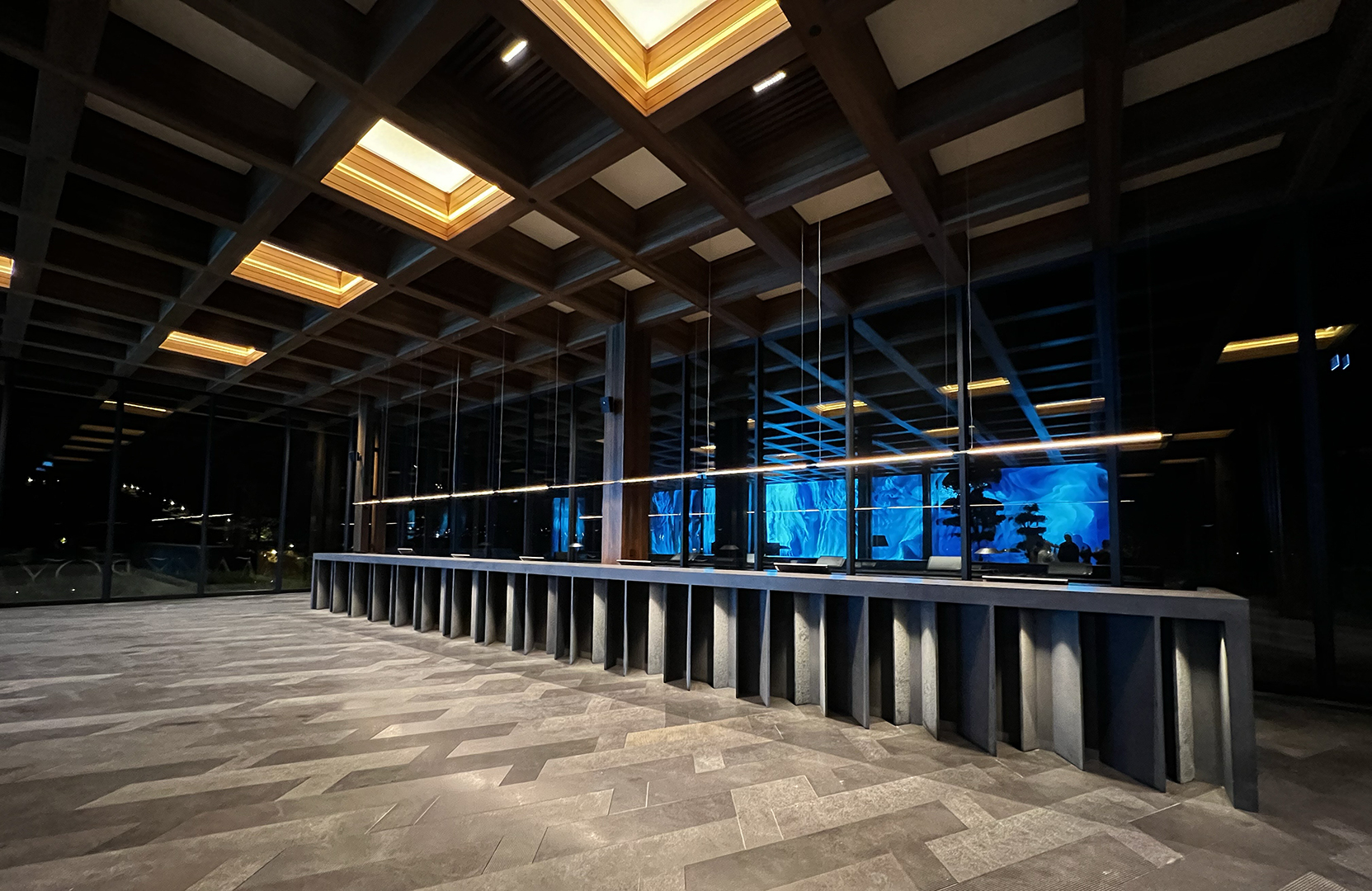
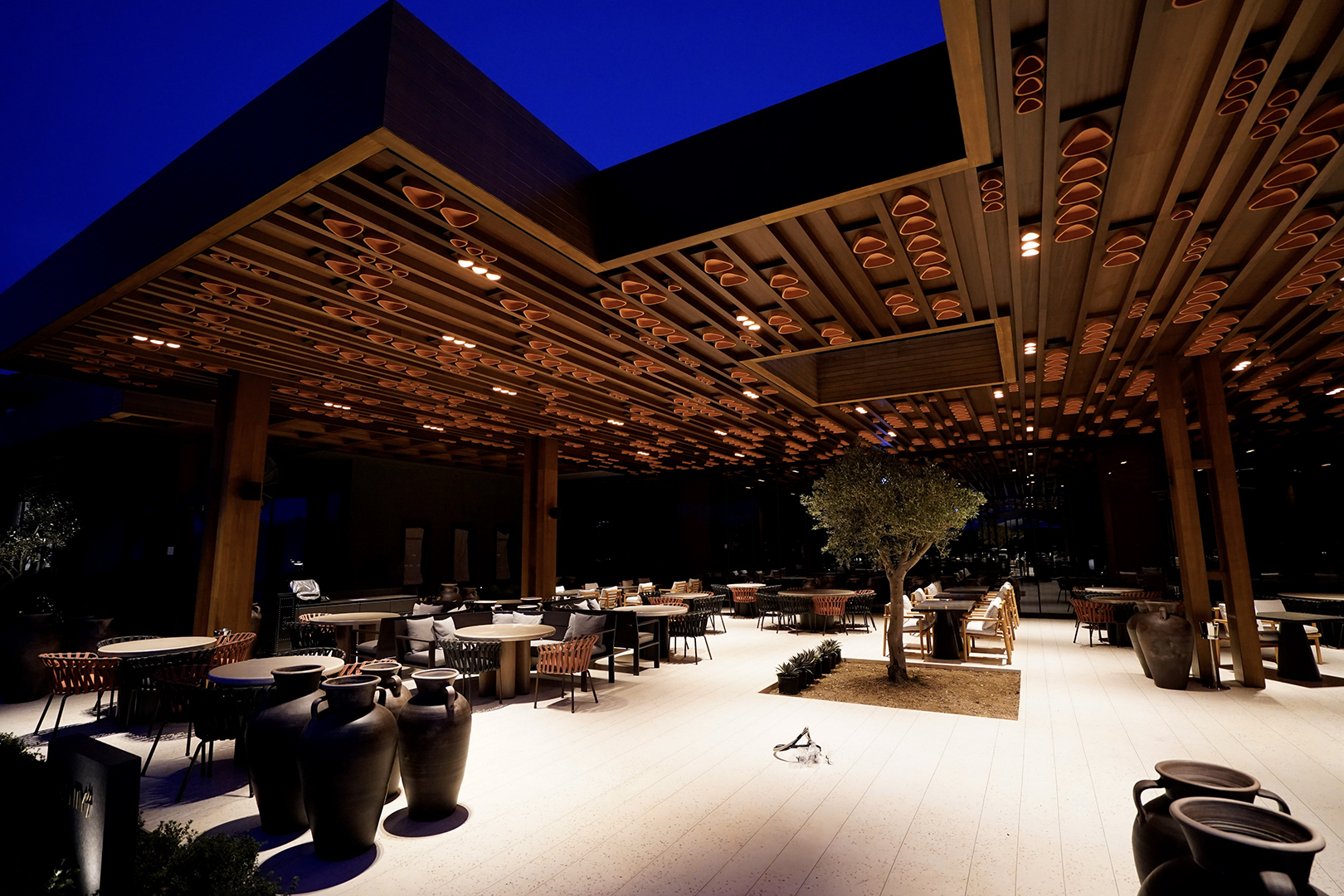
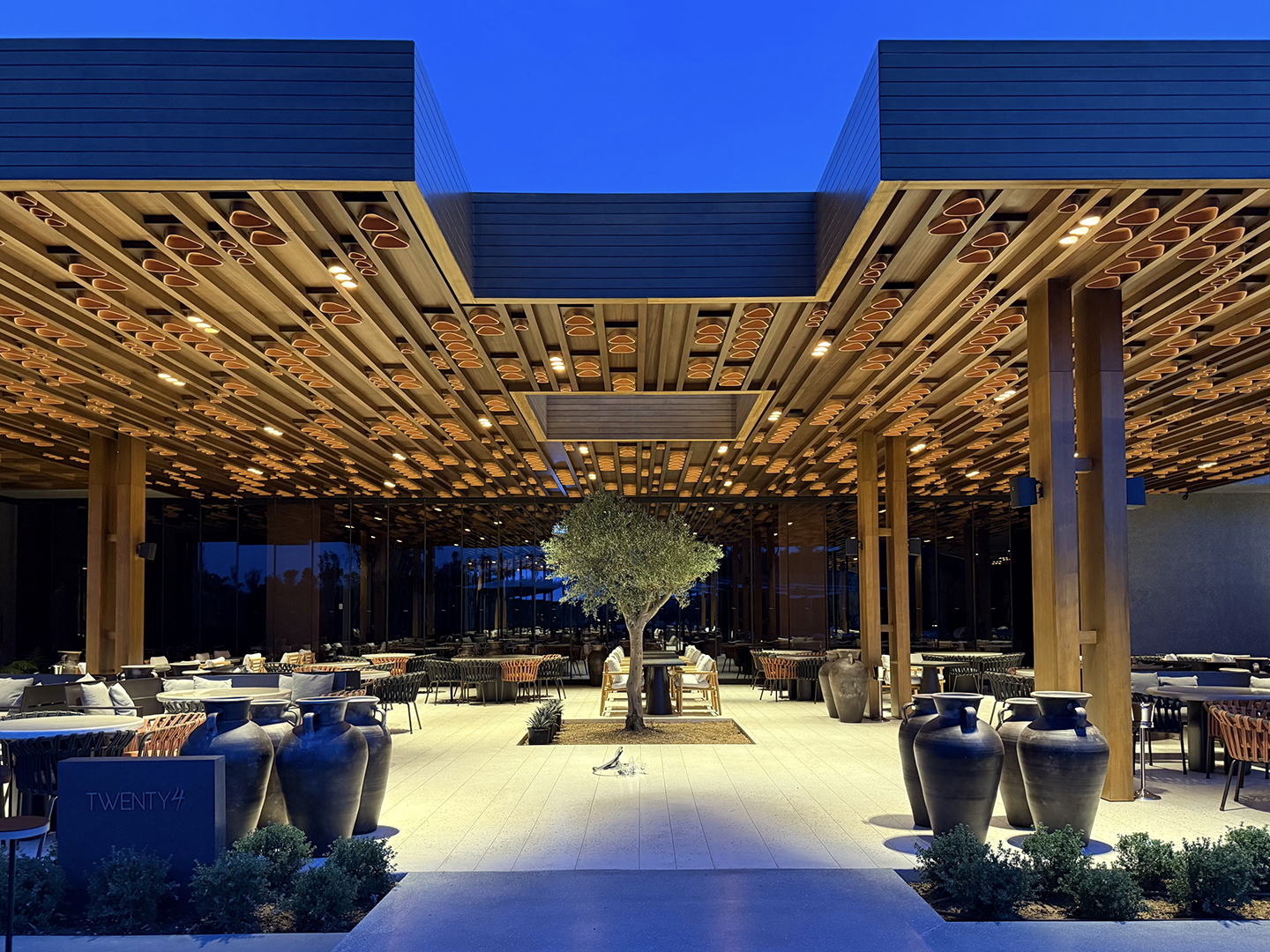
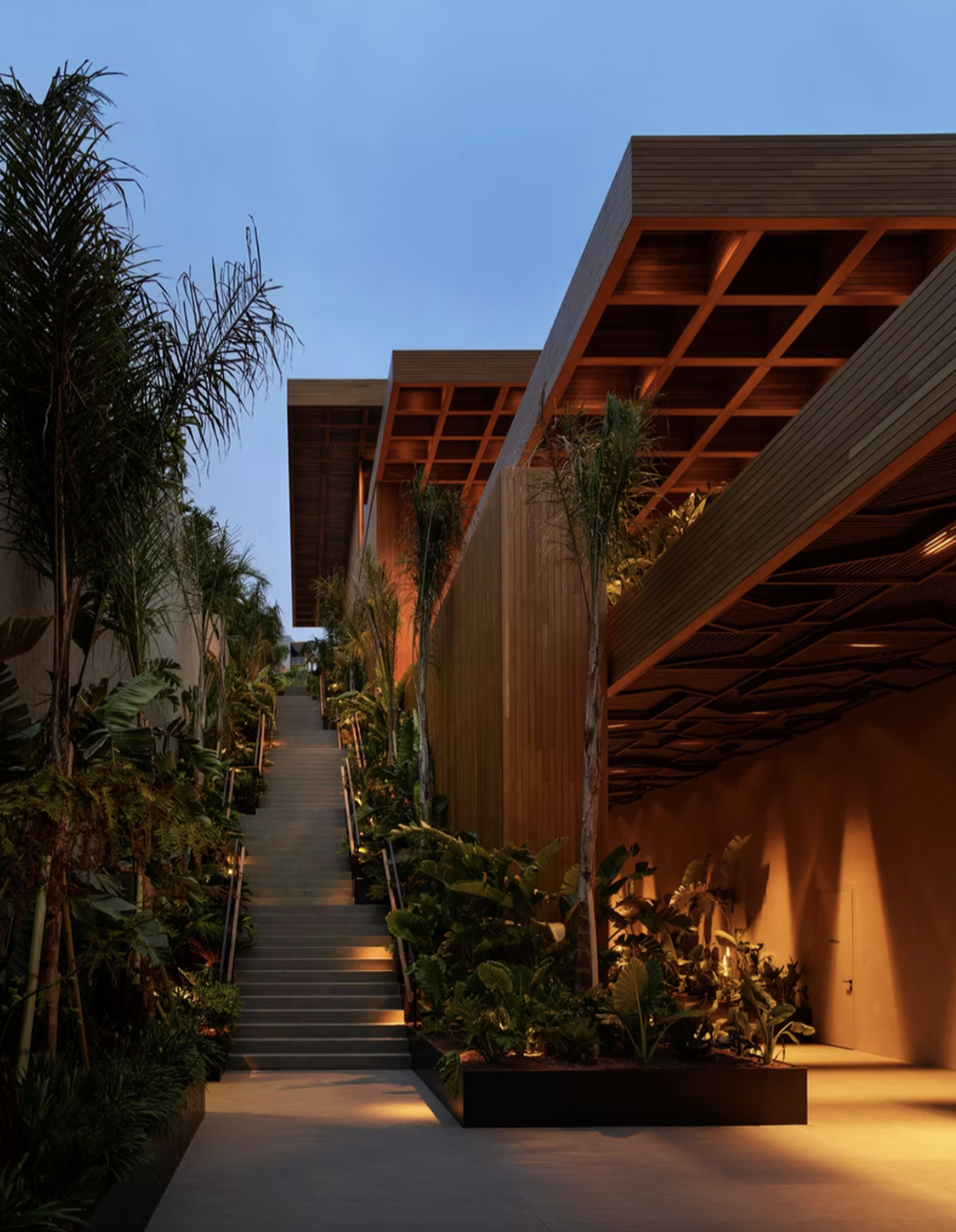
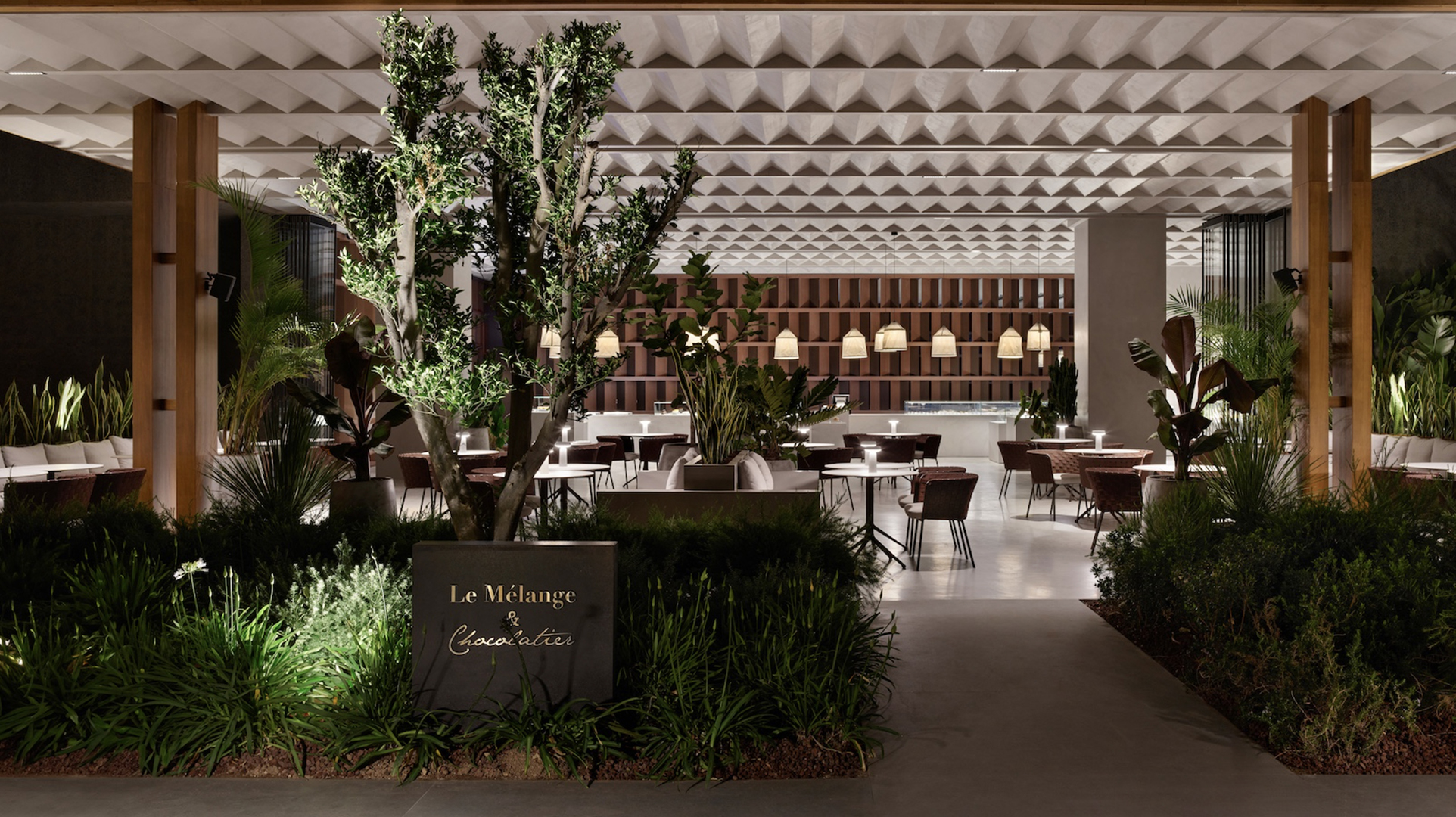
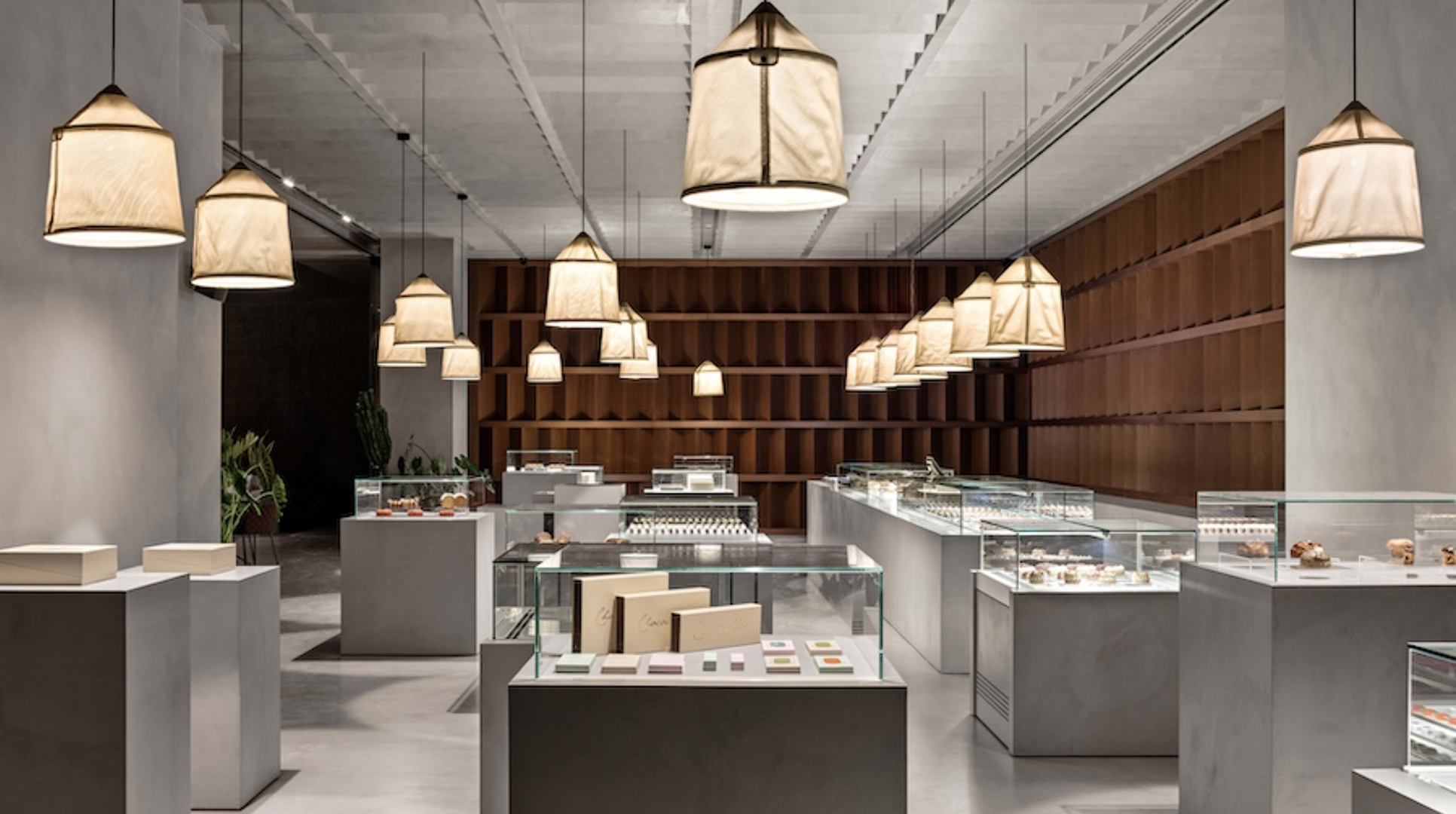
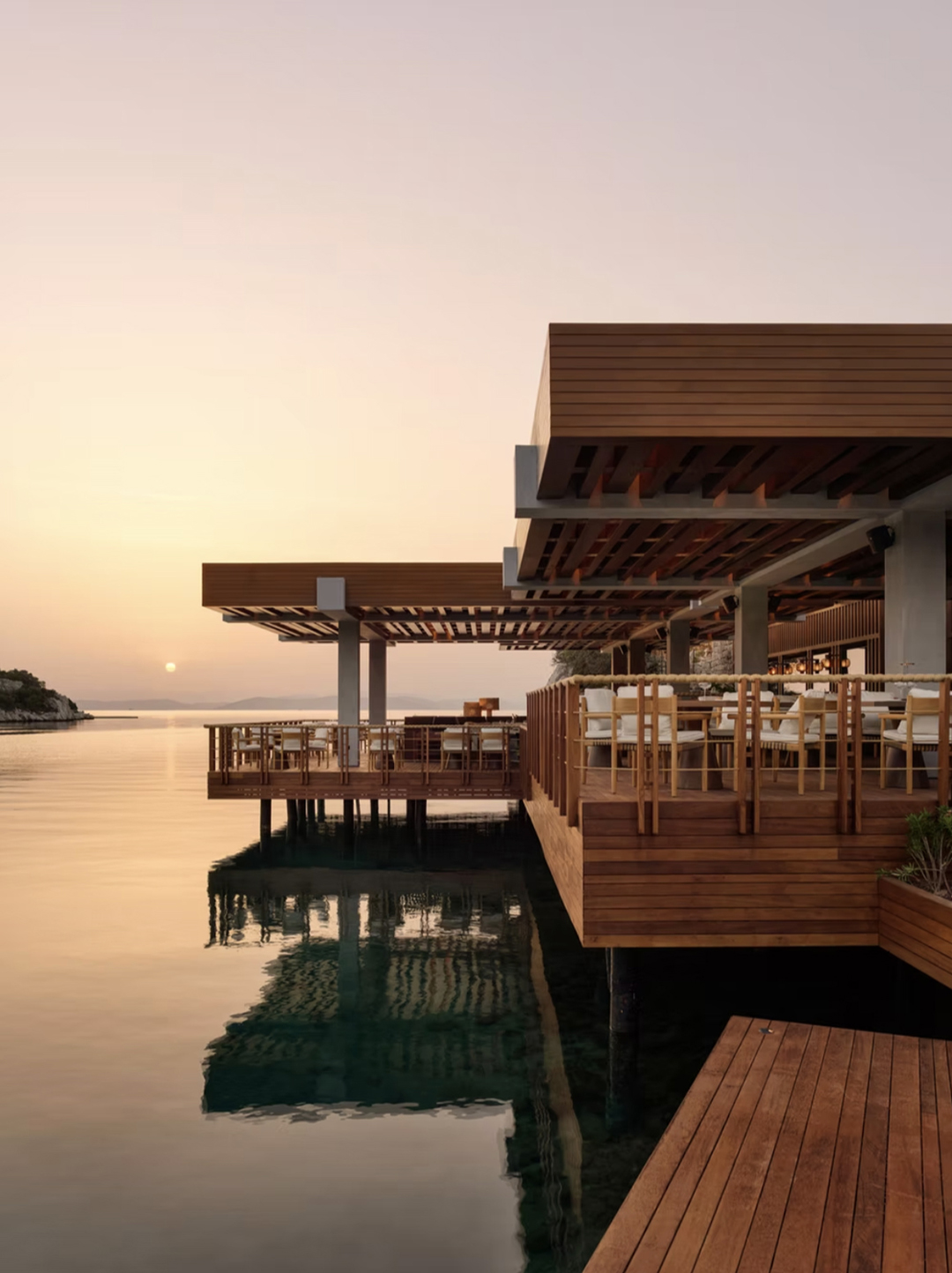
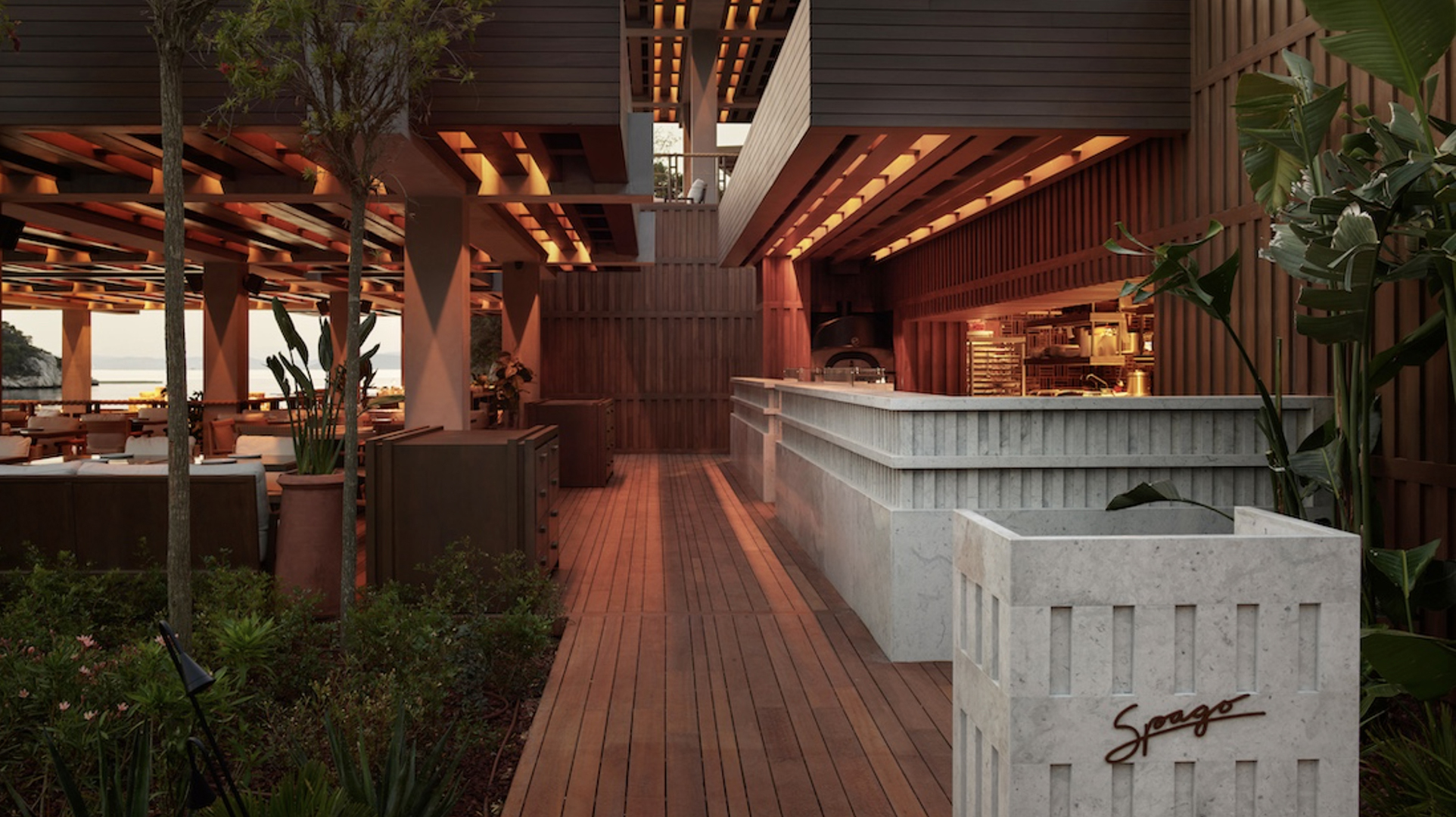
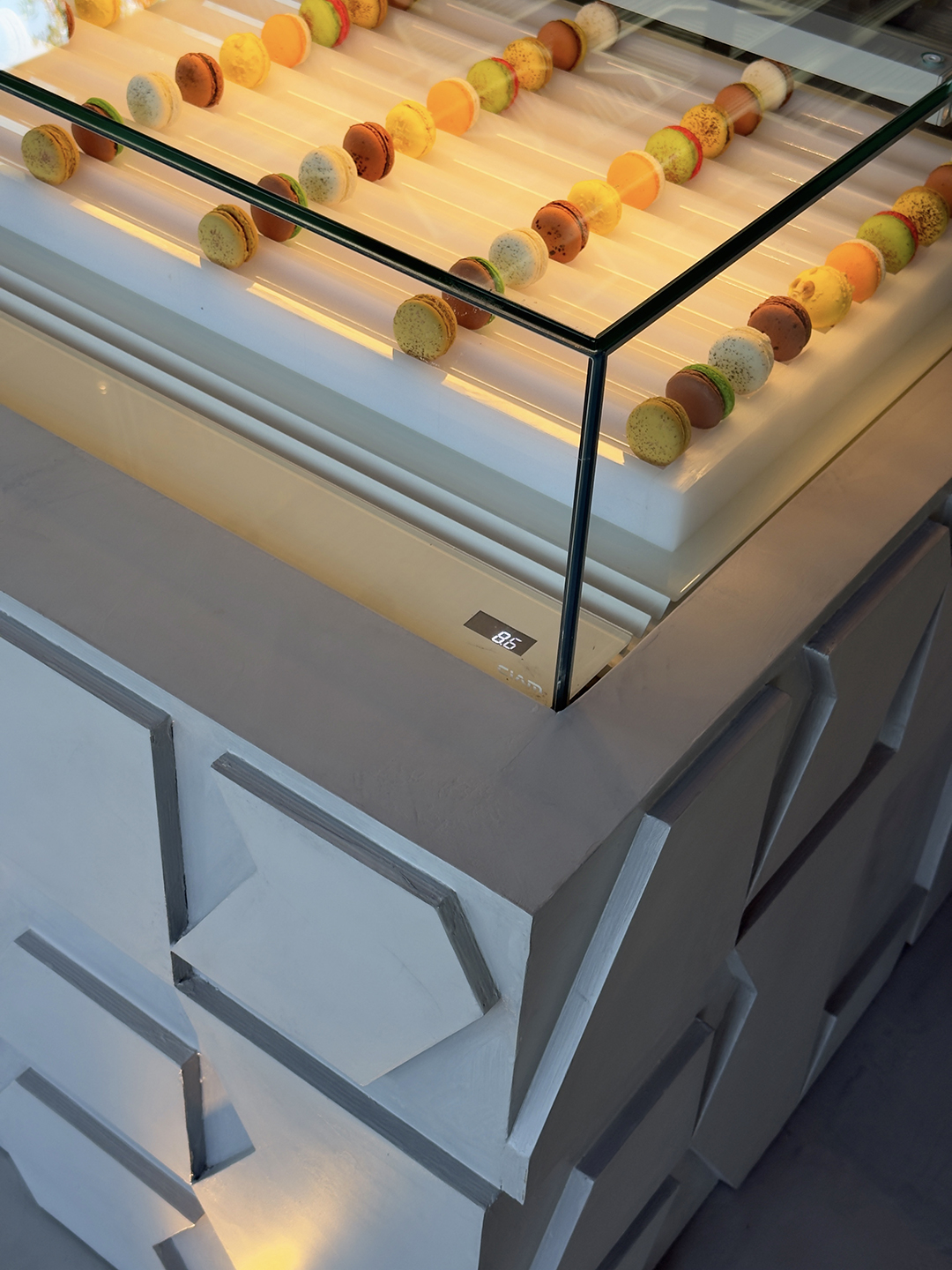
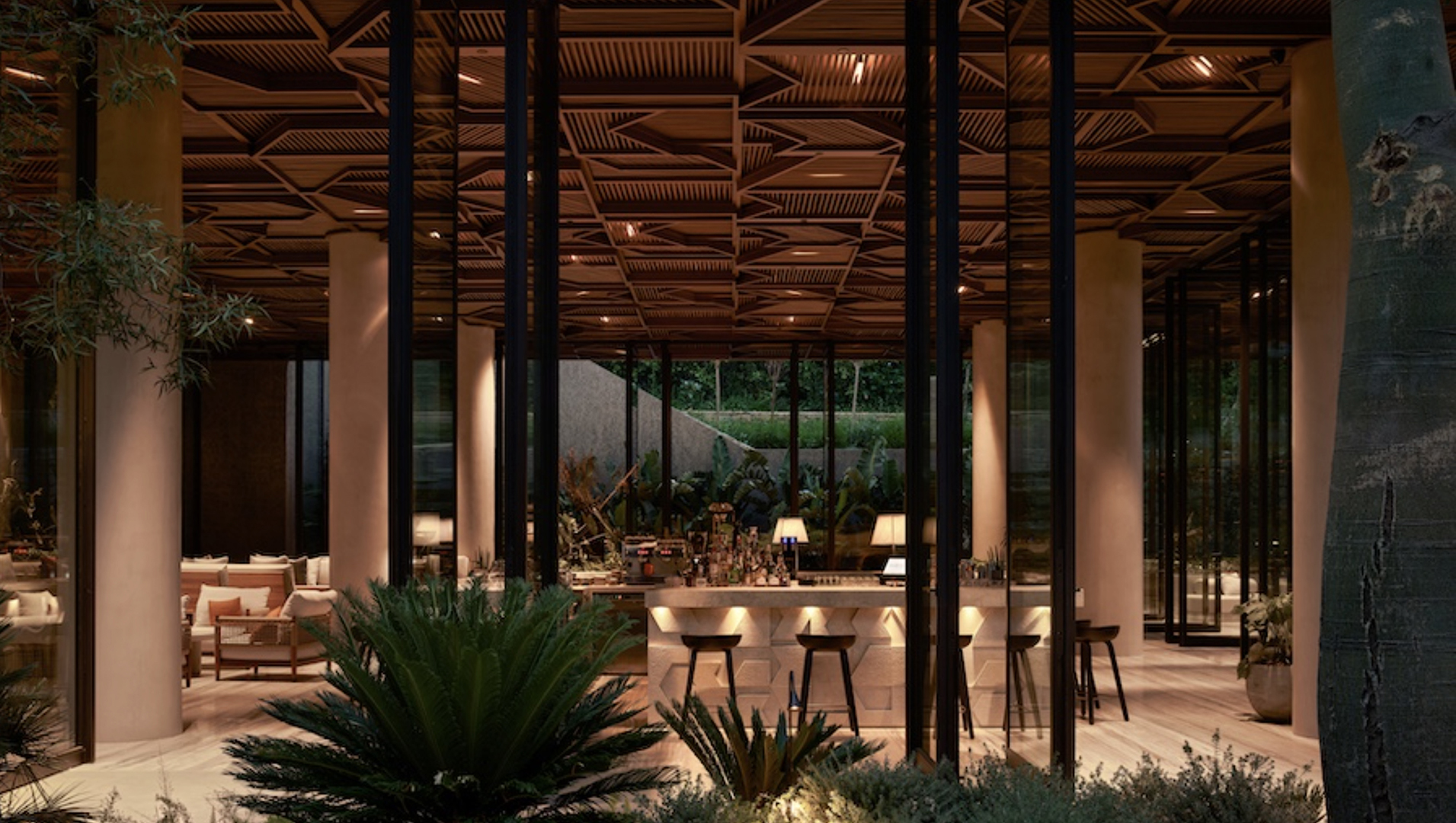
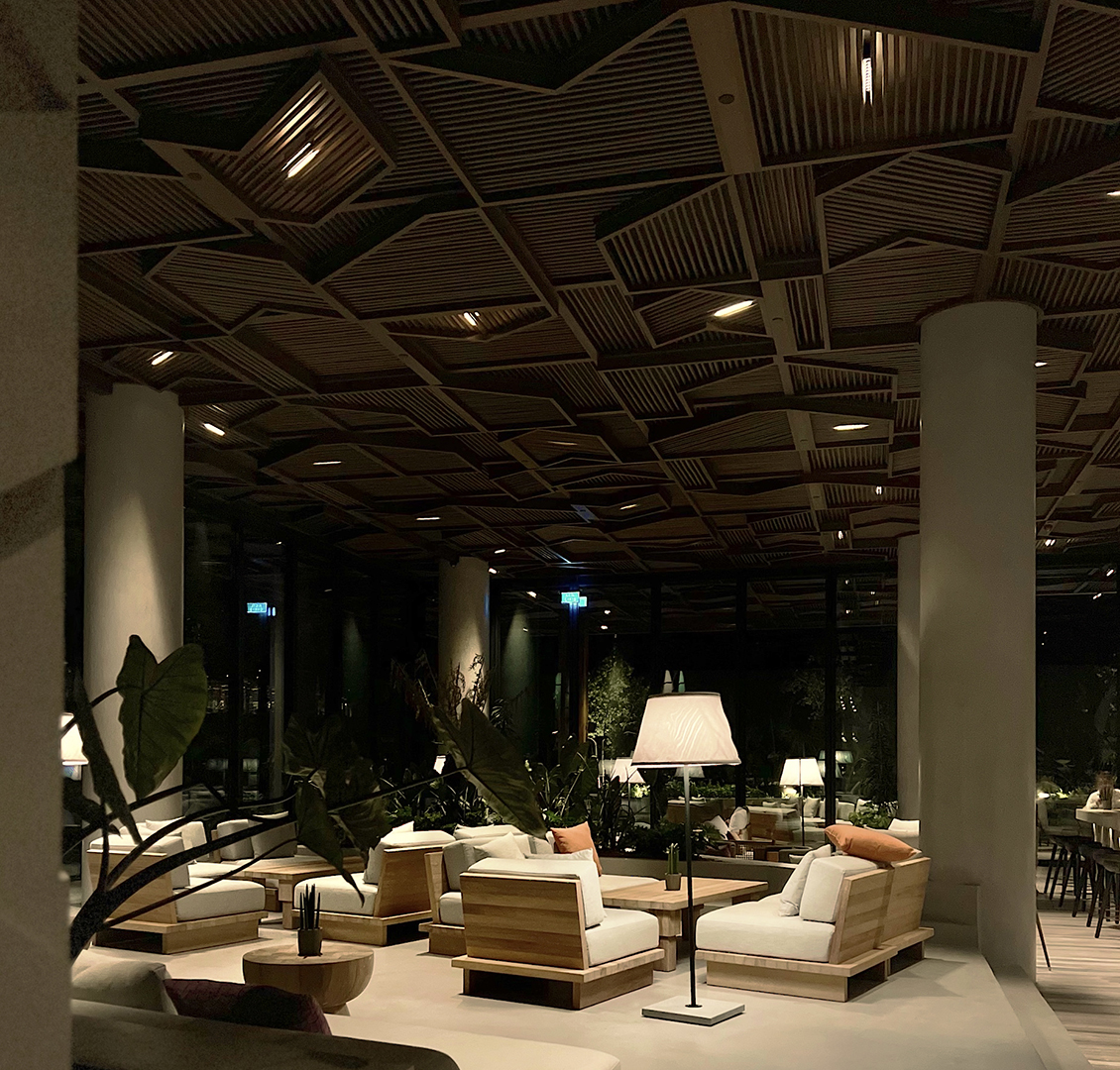
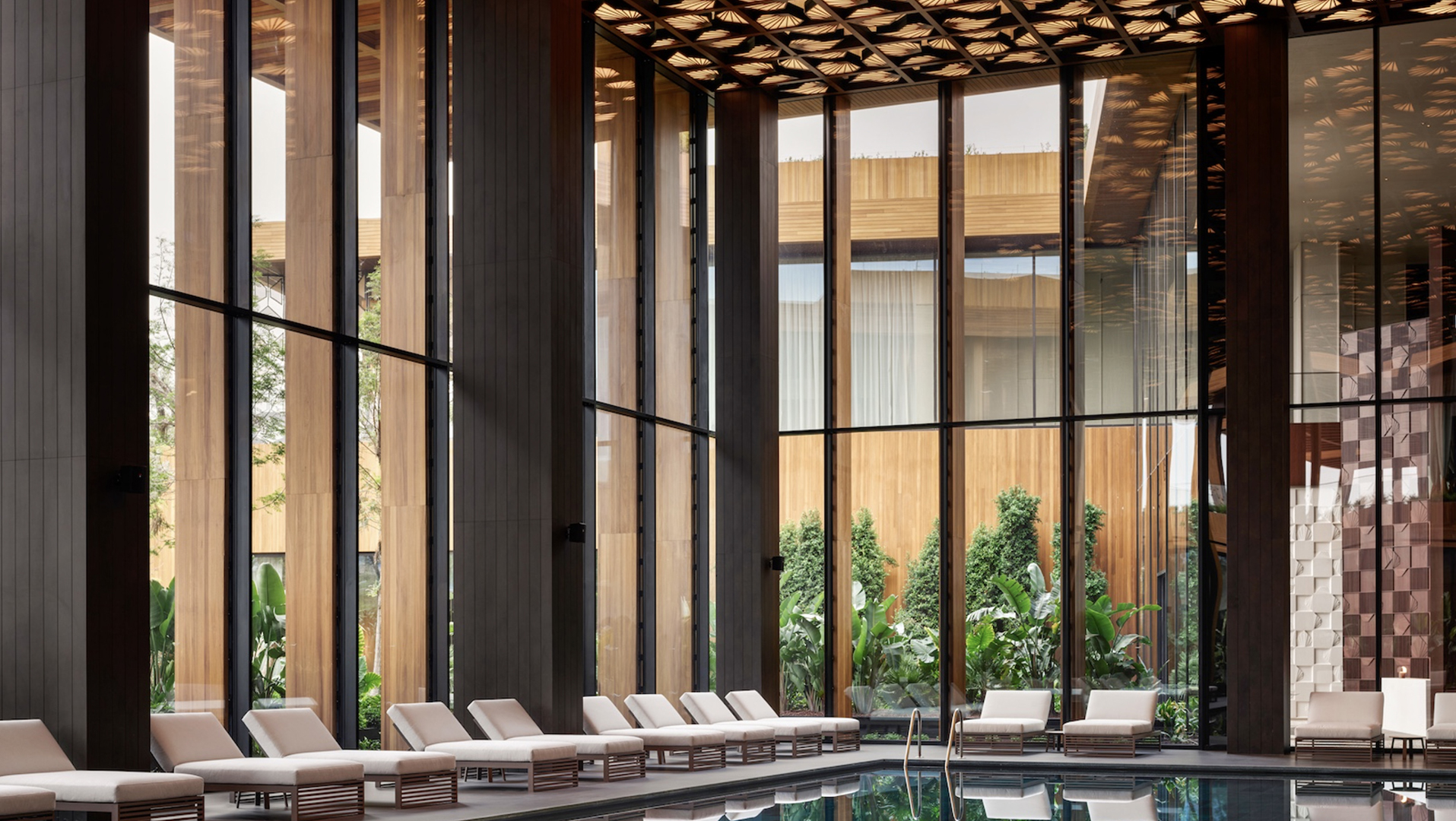
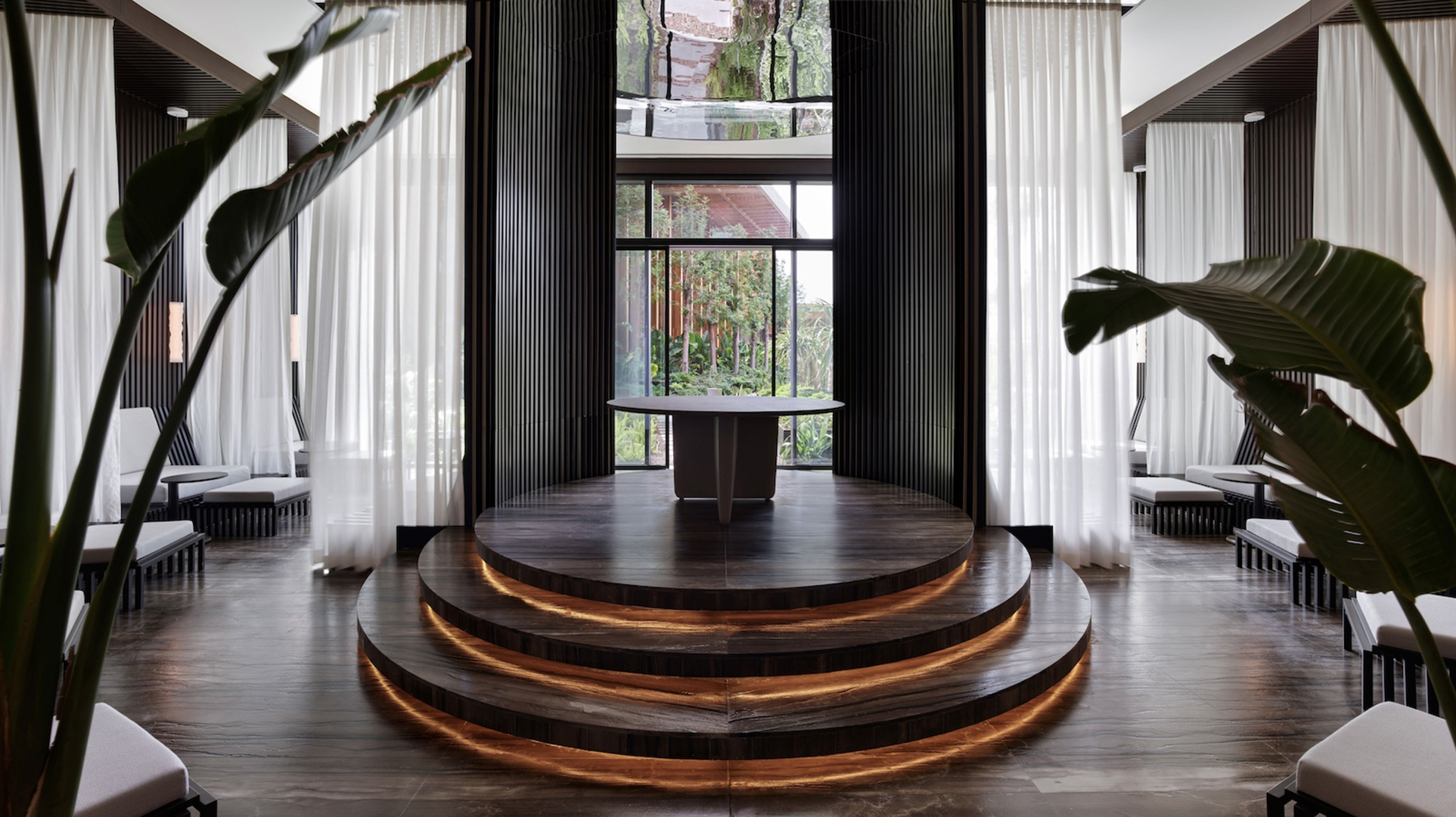
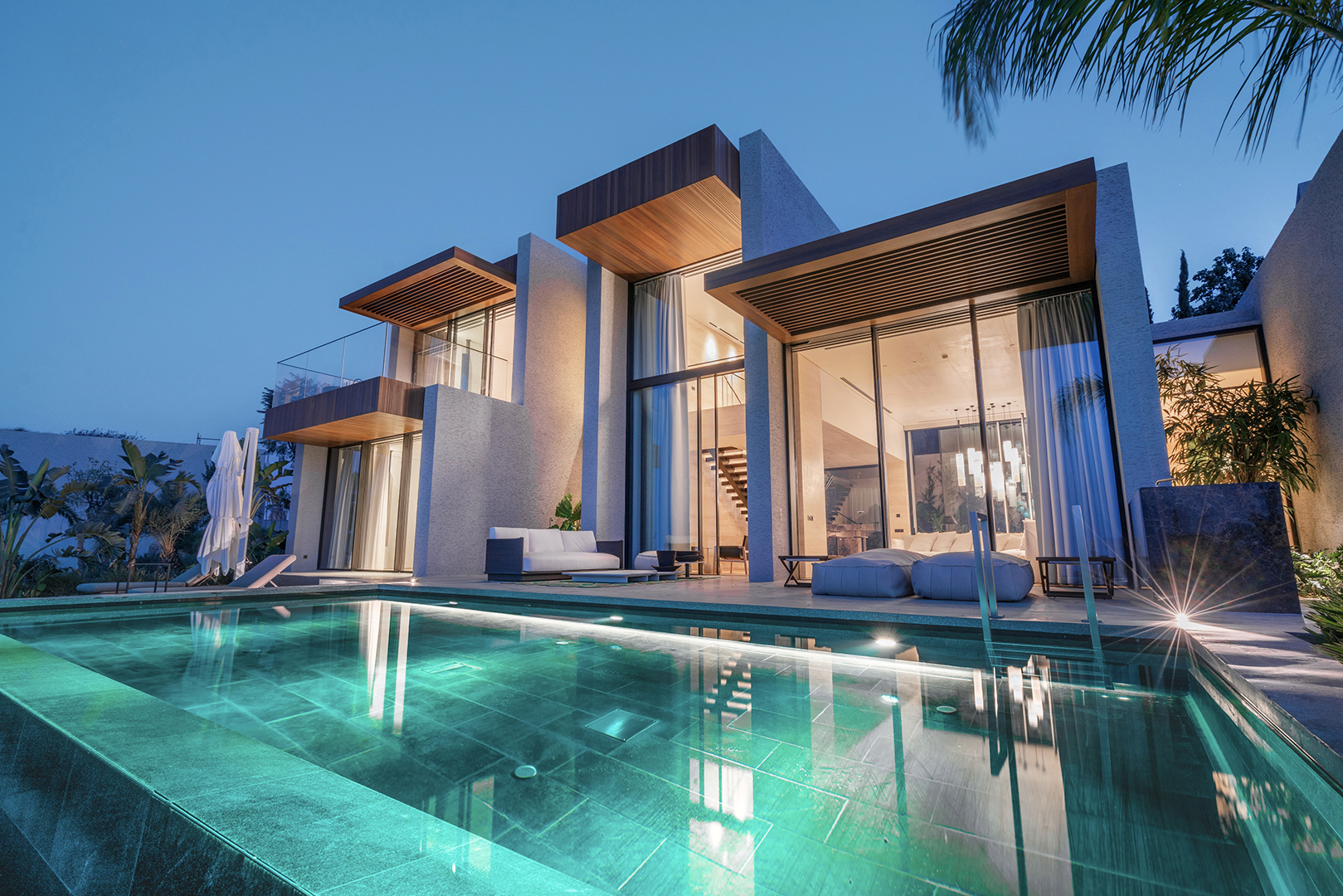
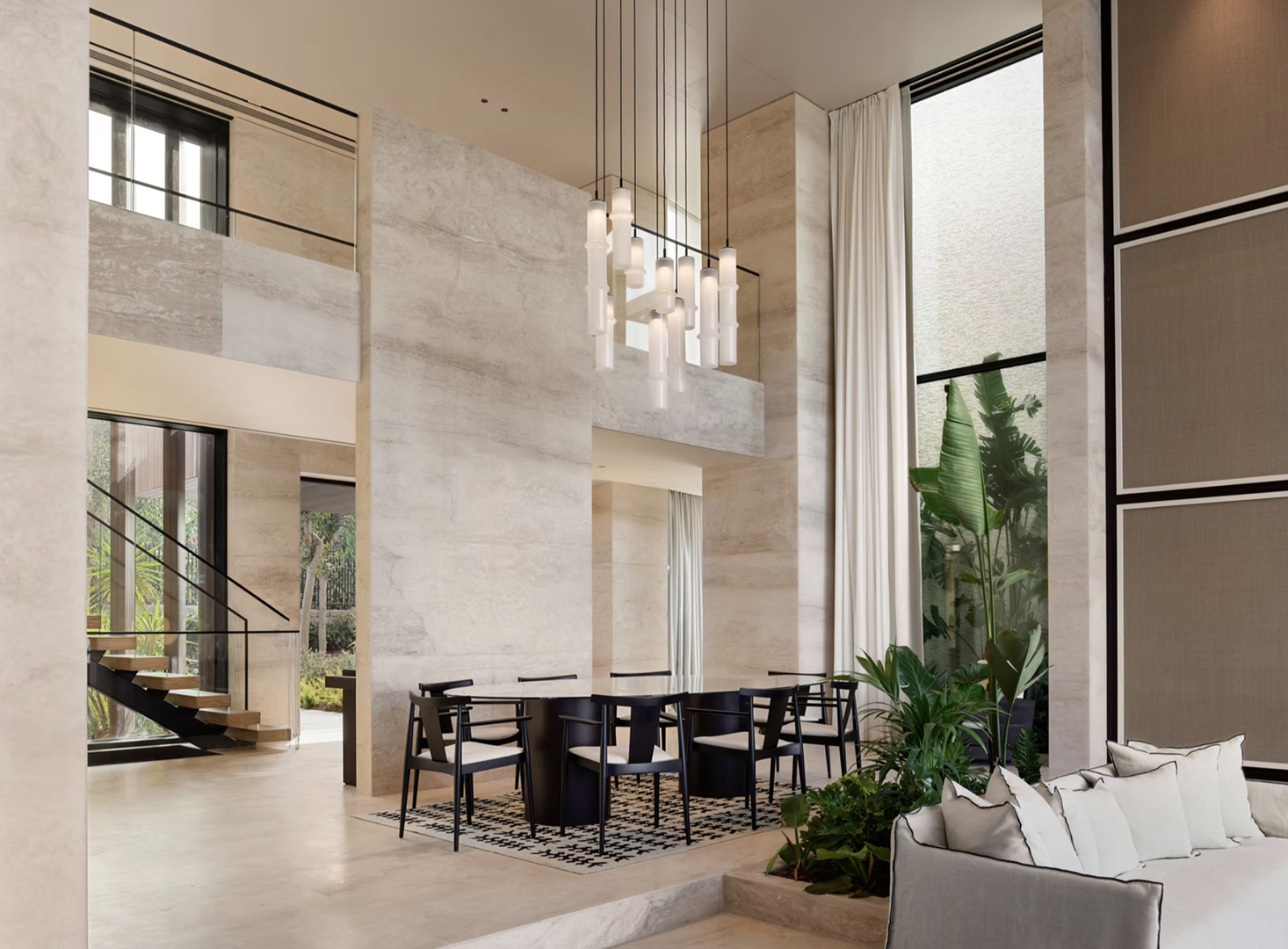
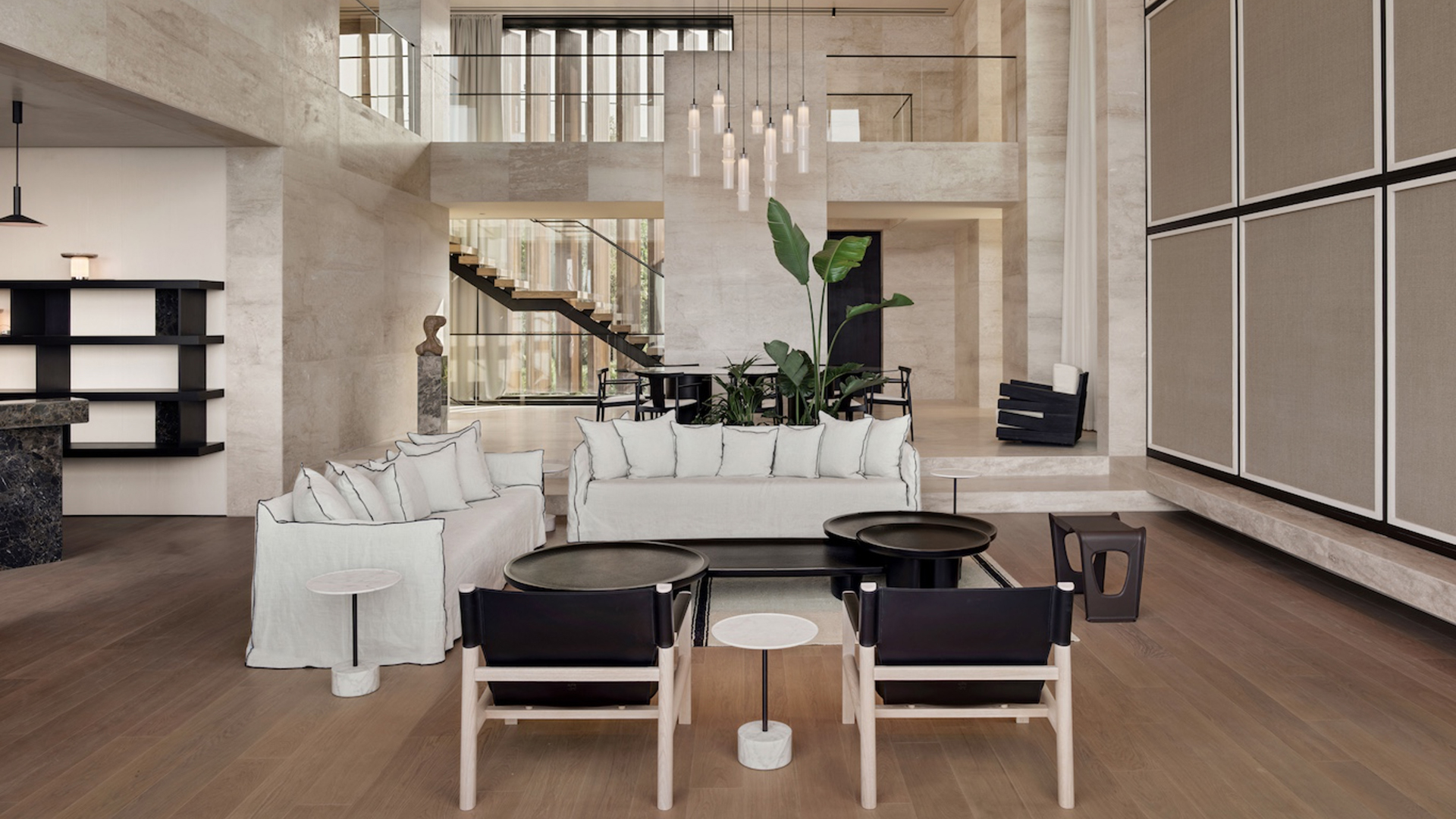
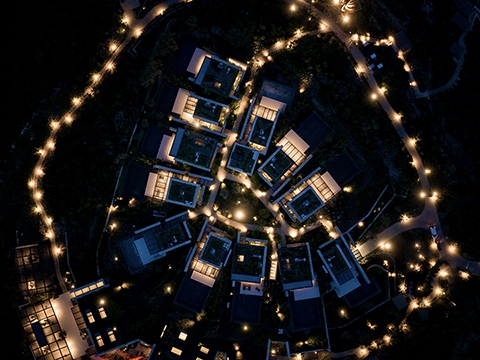
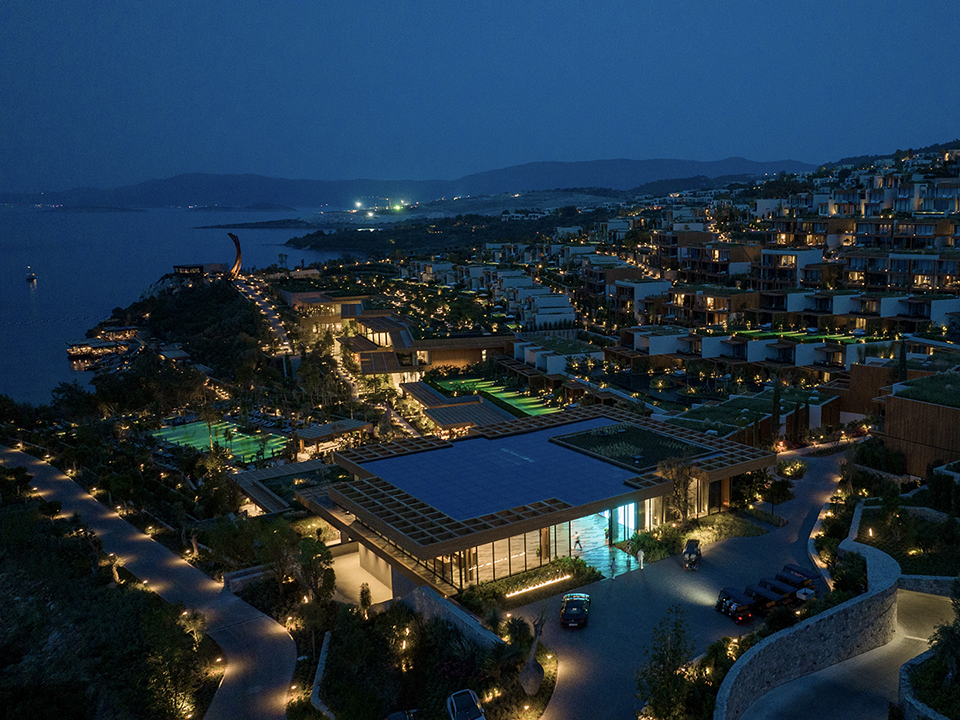
The lighting approach for Maxx Royal Bodrum Resort was shaped by the idea of preserving the natural character of the night rather than eliminating it. Here, light was not treated as a tool to simply reveal architecture, but as an invisible design material that carefully orchestrates the delicate balance between nature, architecture, and people.
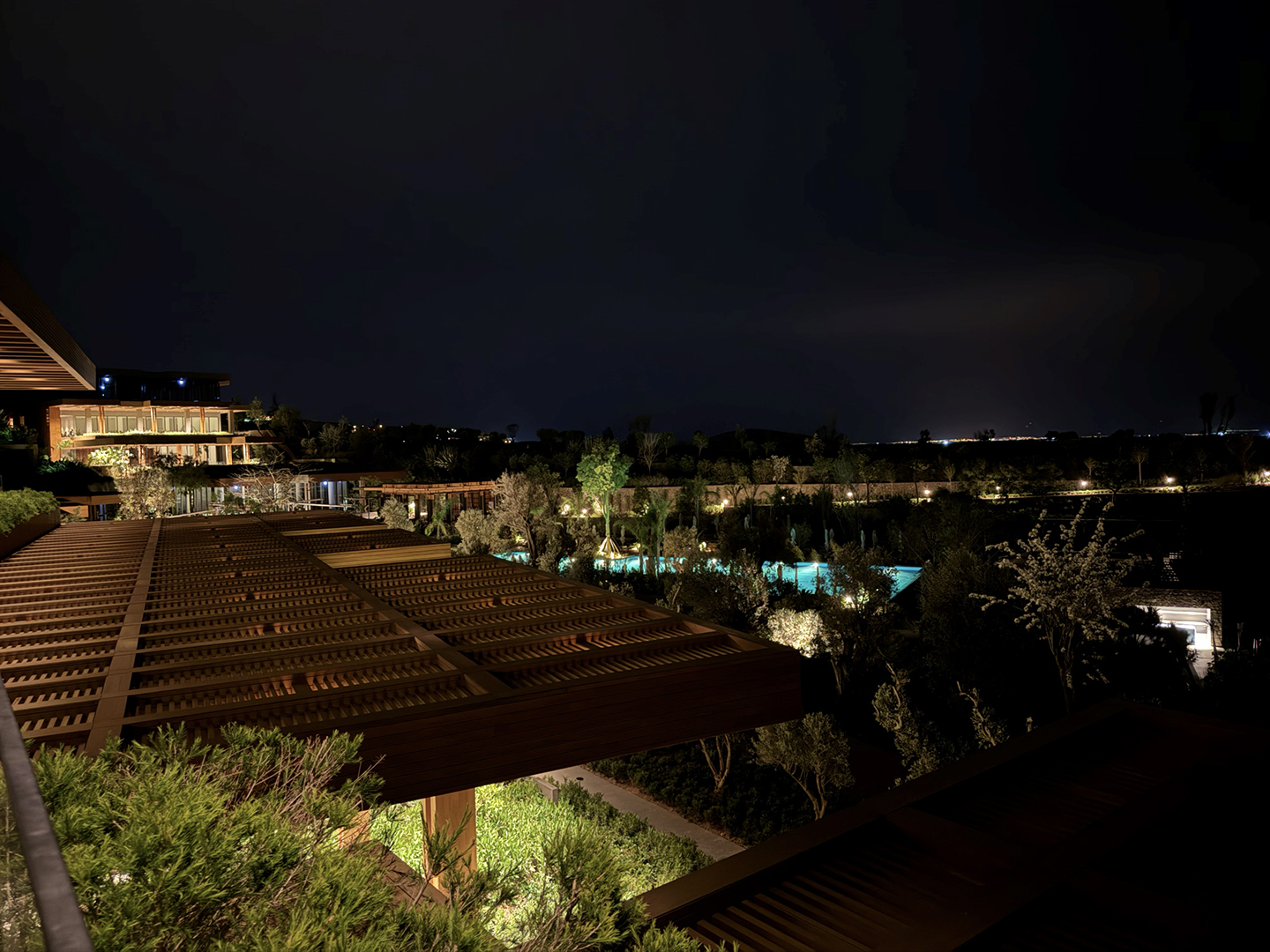
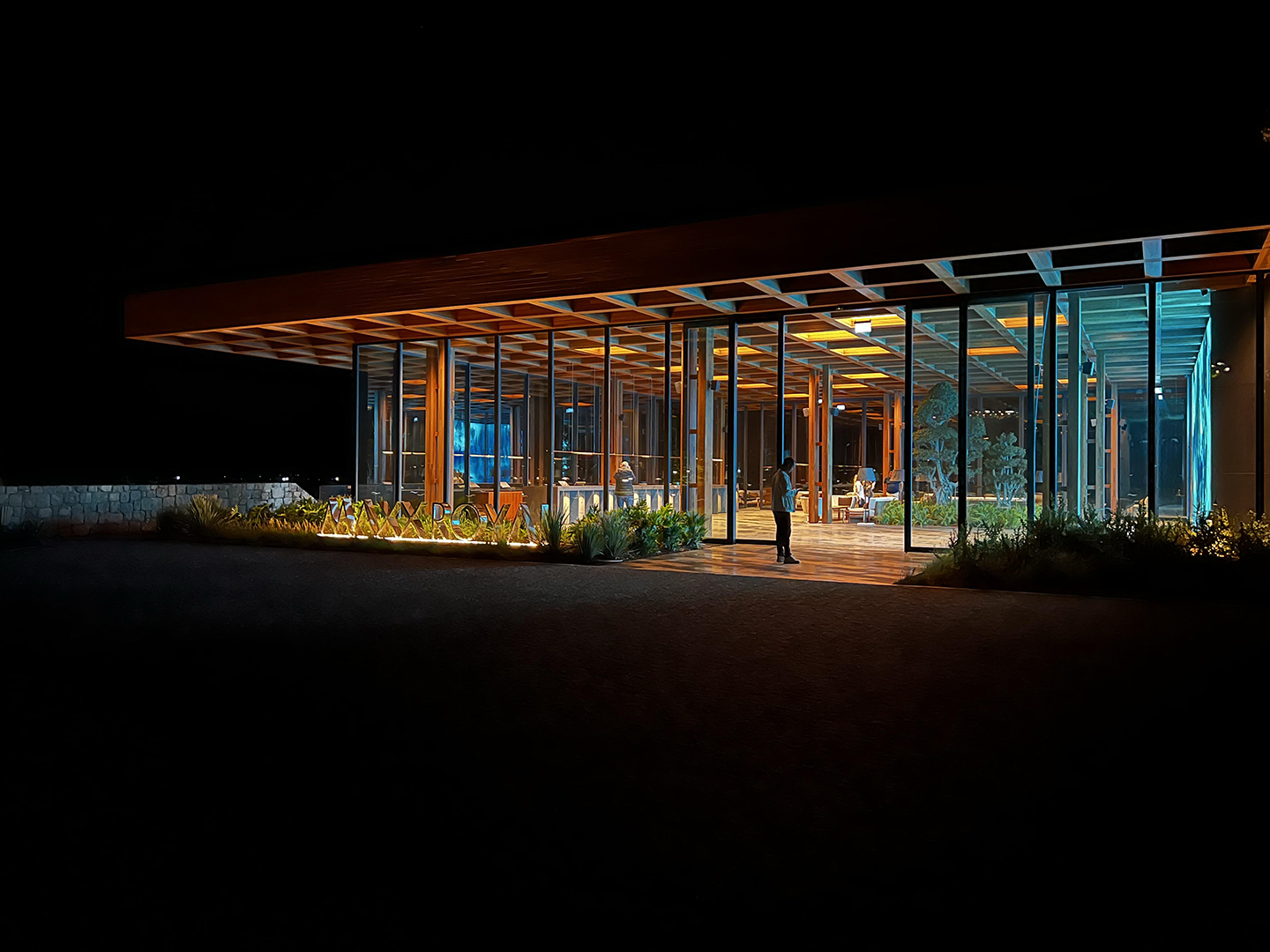
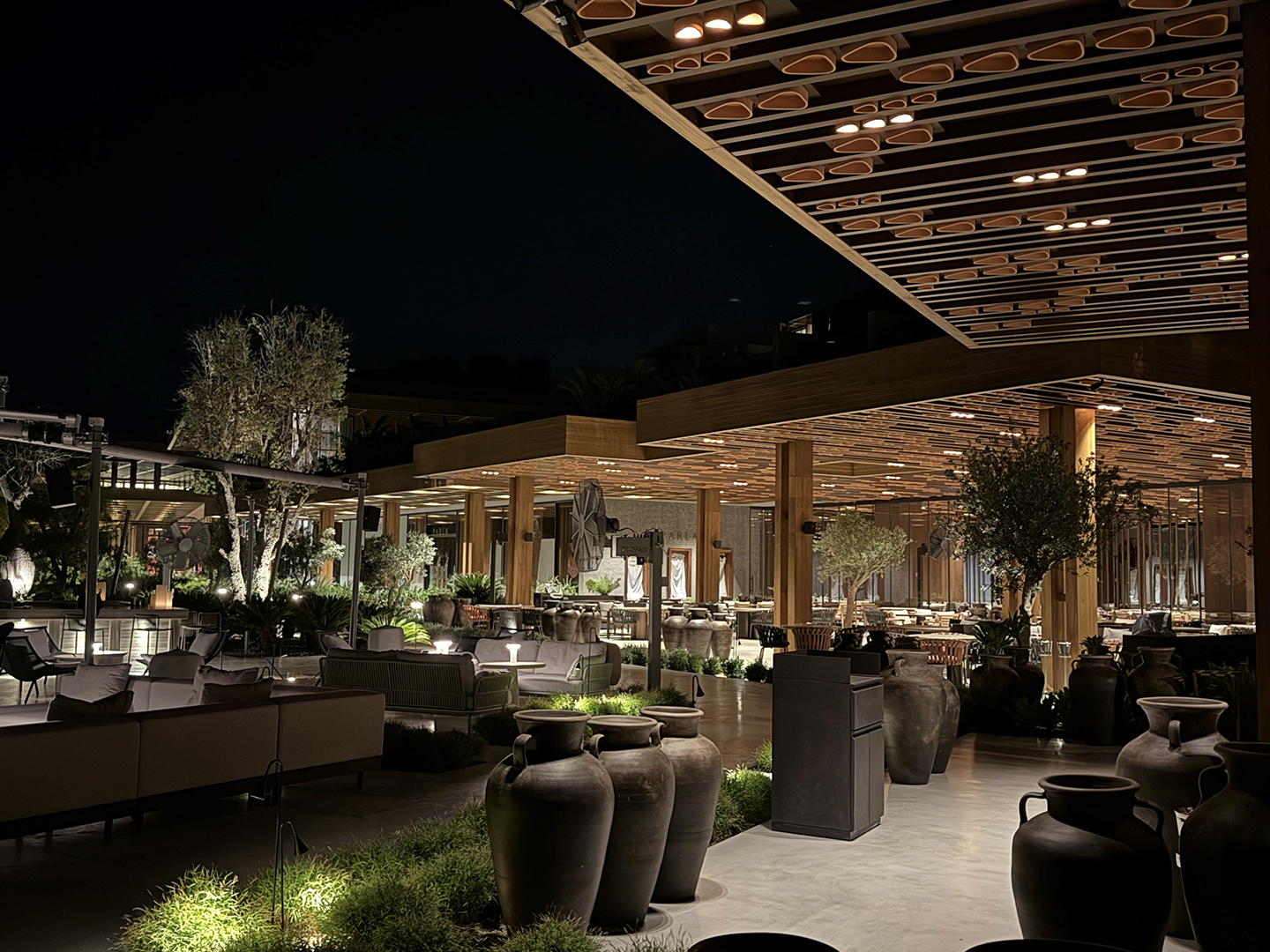
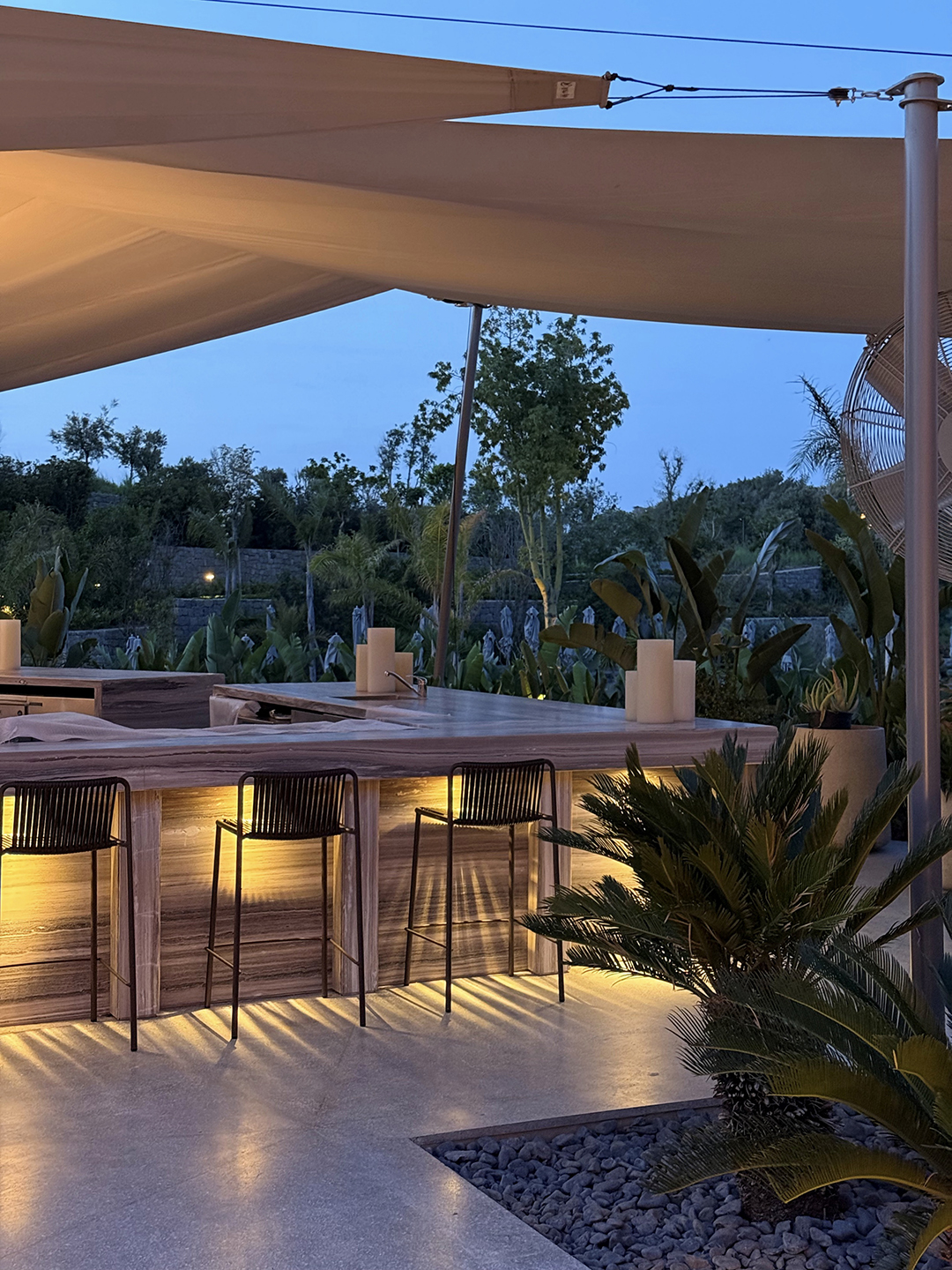
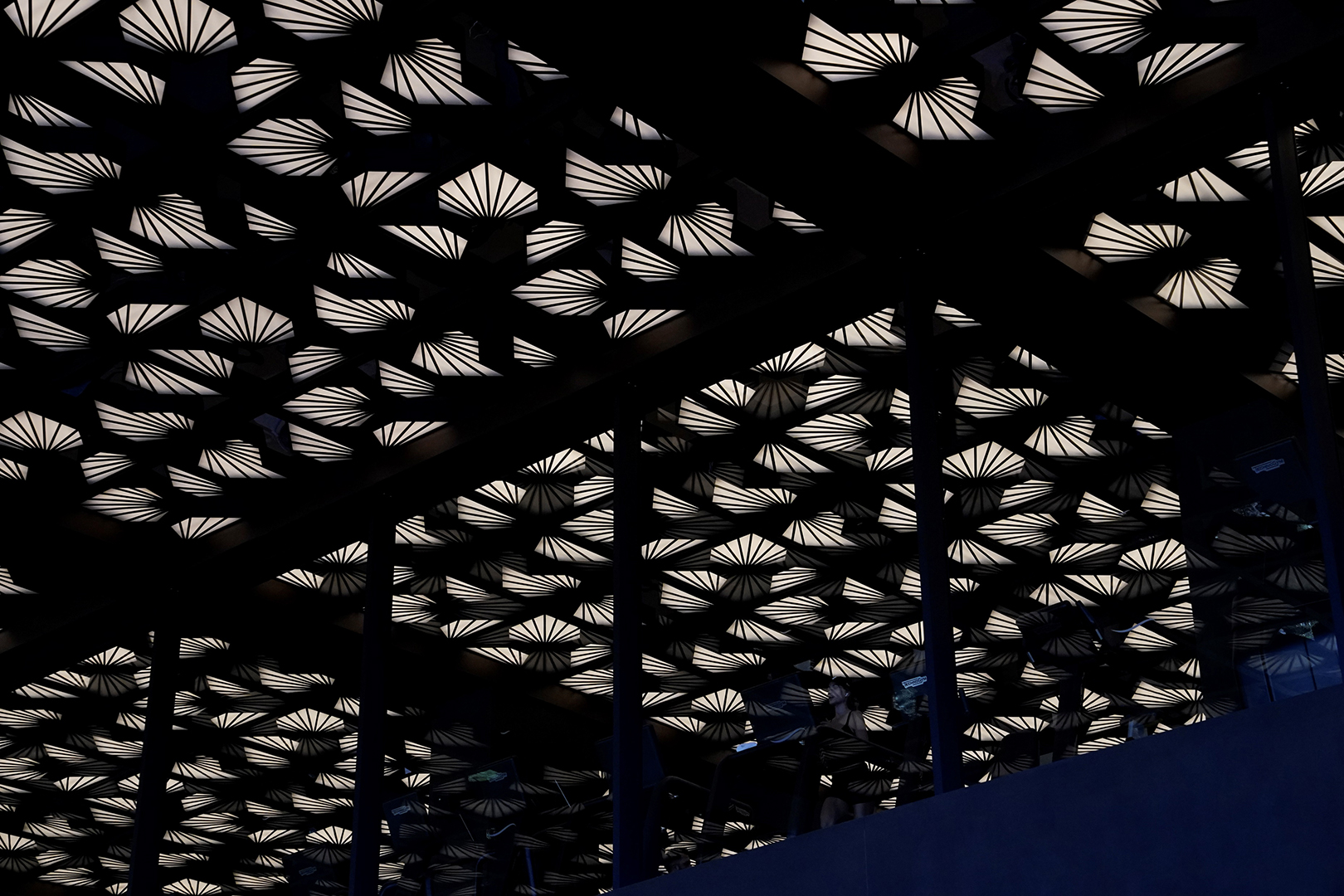
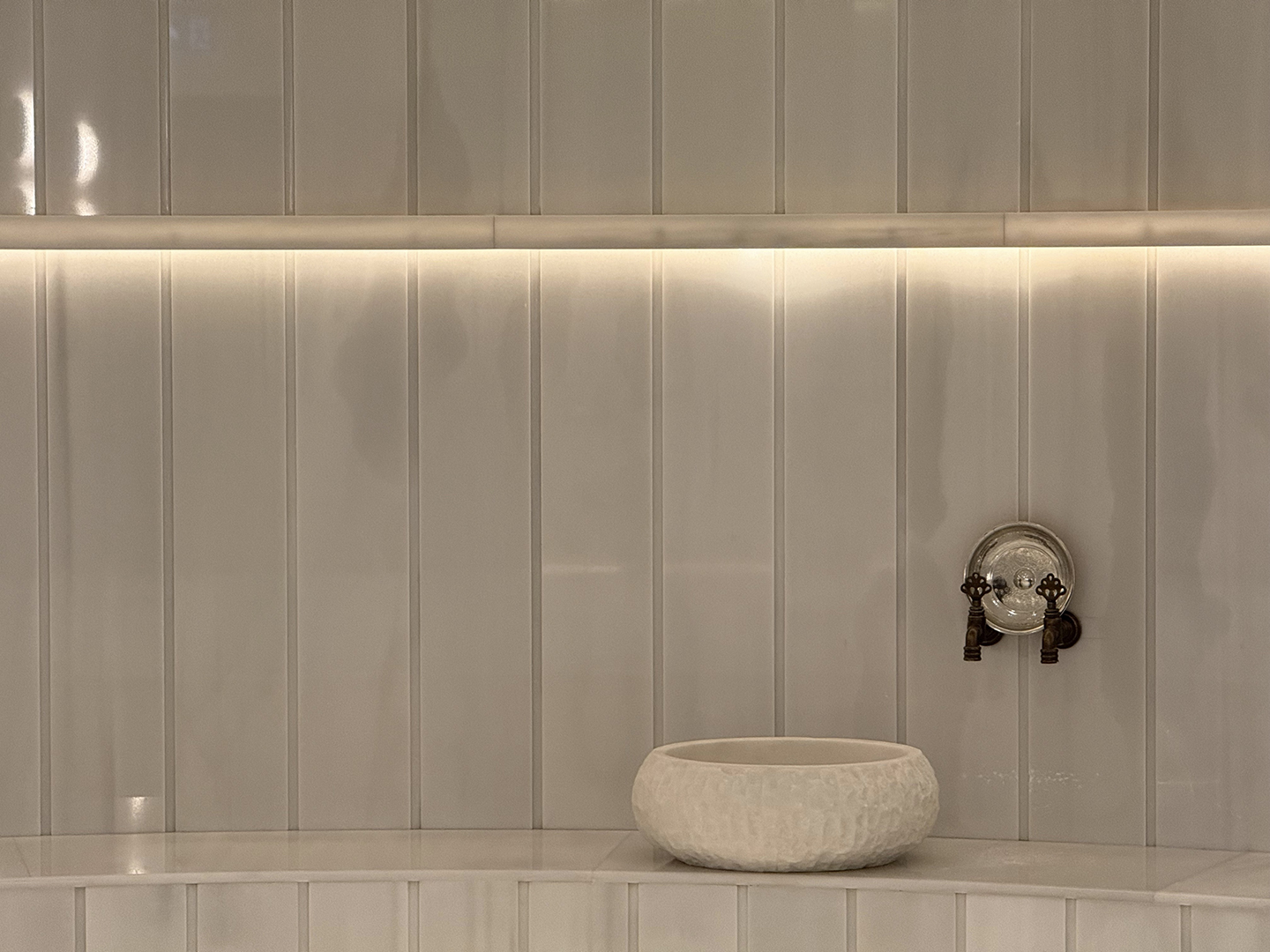
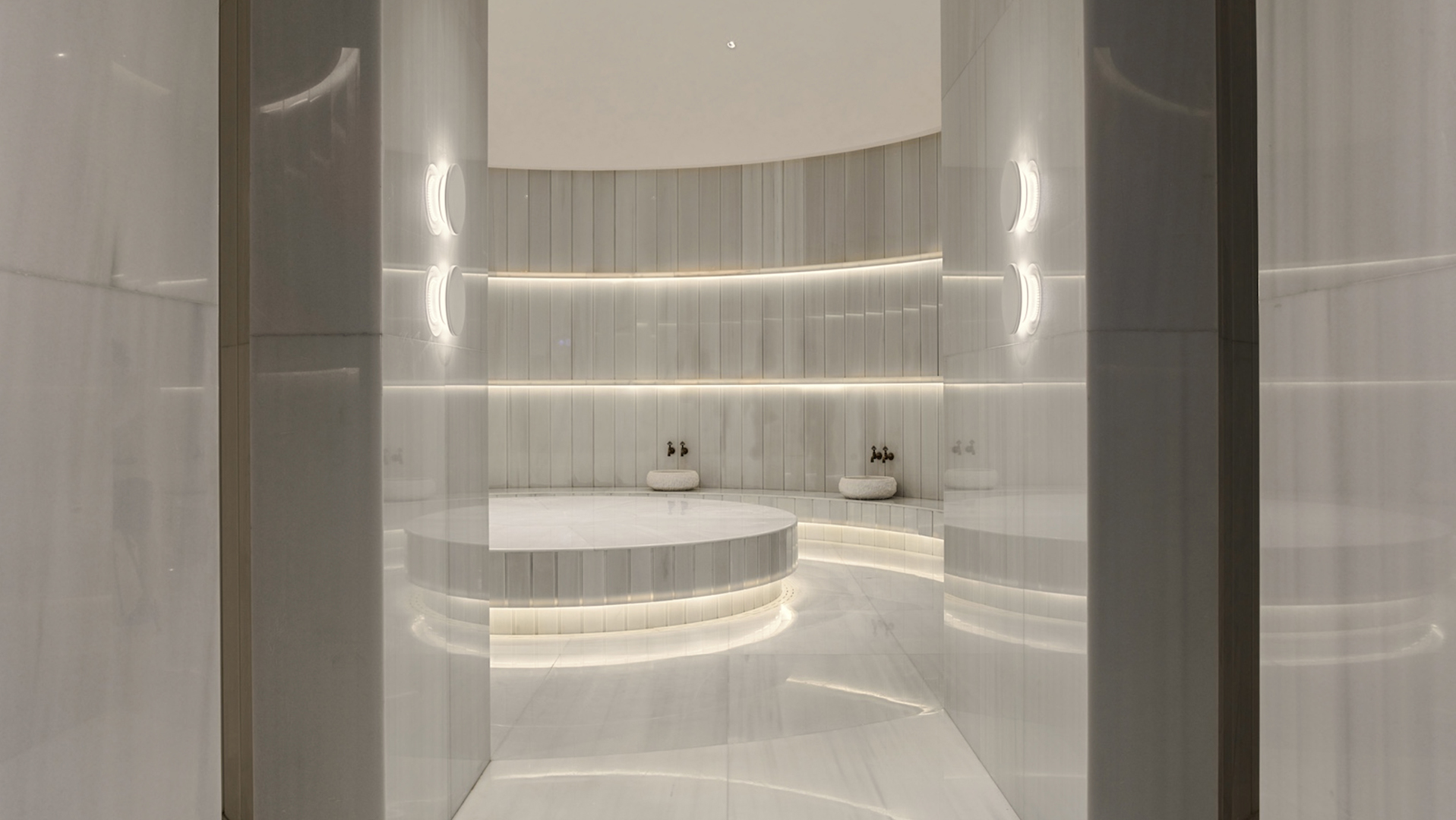
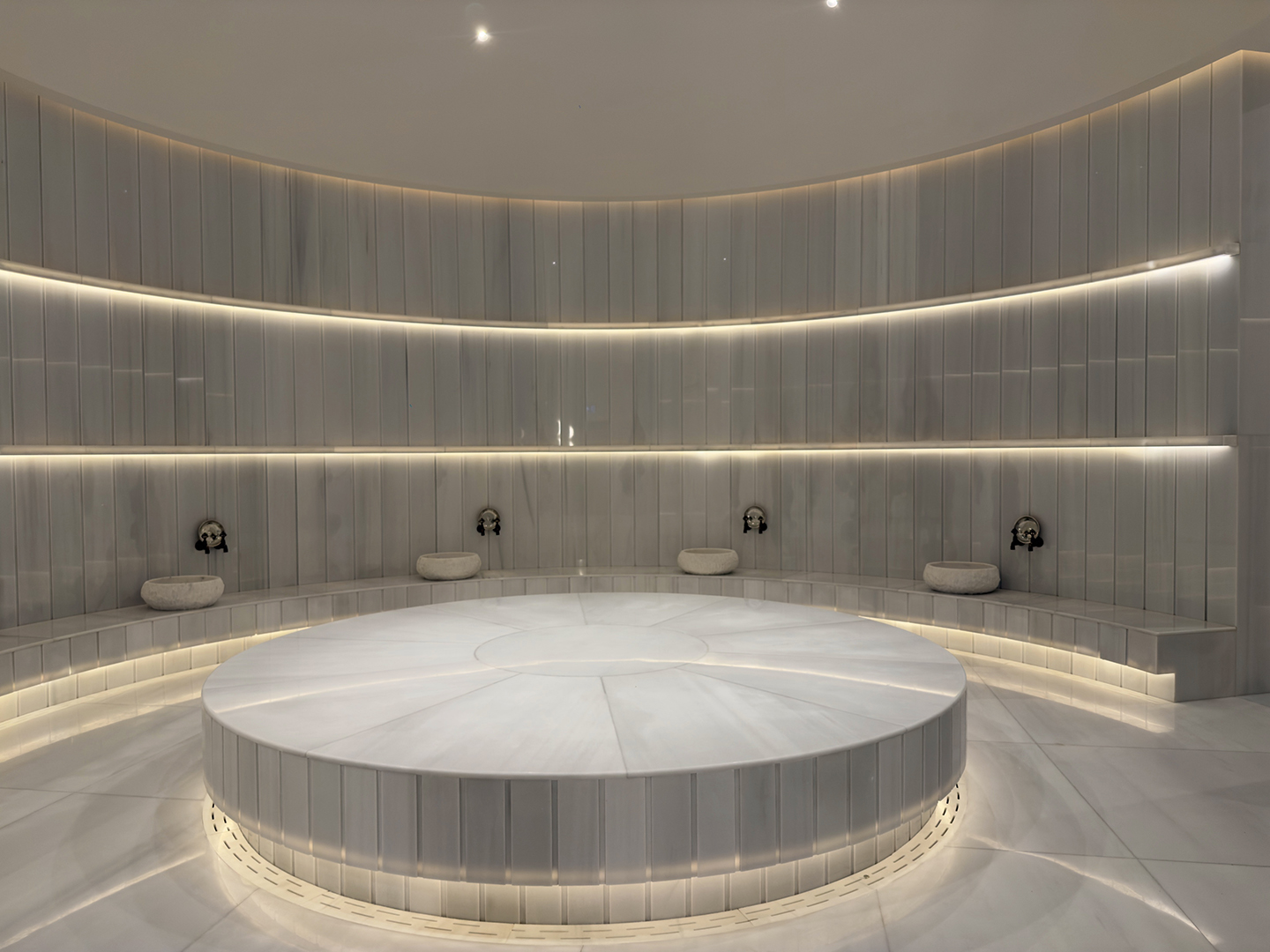
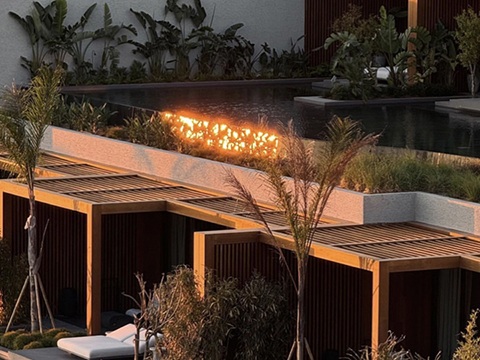
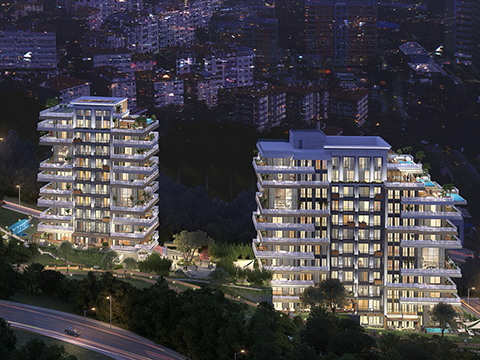
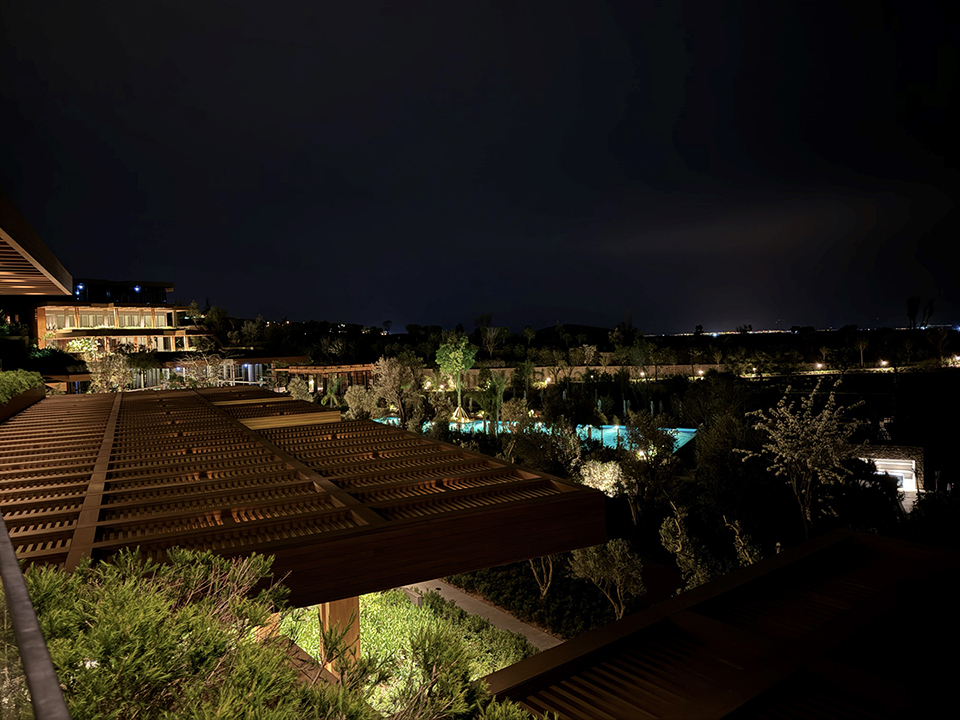
With this philosophy, the project was conceived through low-level horizontal illumination and carefully controlled focal points. Light exists only where it is needed, while the areas where it recedes are intentionally left to the night sky, the landscape, and the natural rhythm of darkness. Upward-directed lighting and fully illuminated façades were consciously avoided to minimize light pollution, allowing Bodrum's night skyline to remain an integral part of the design.
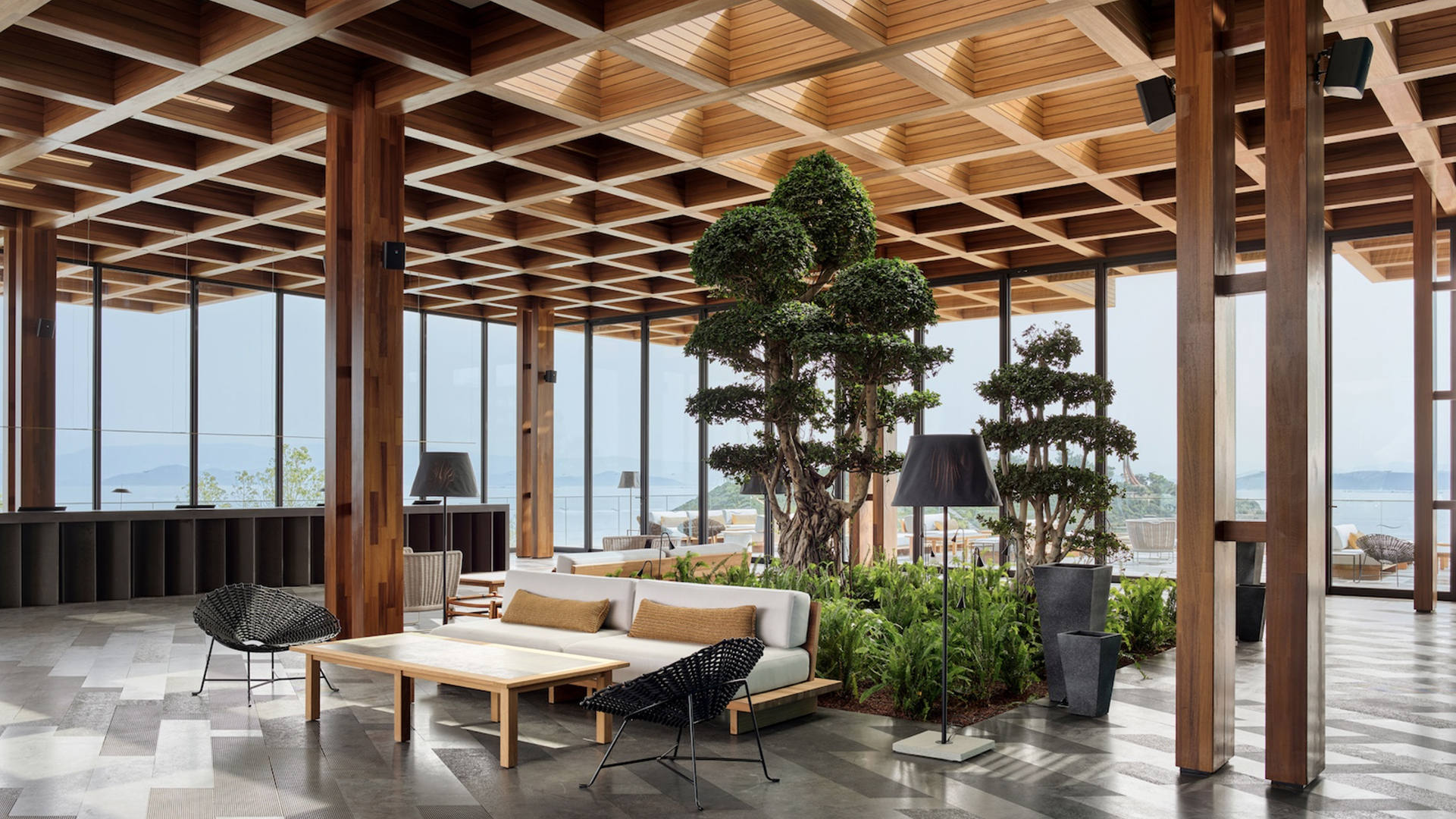
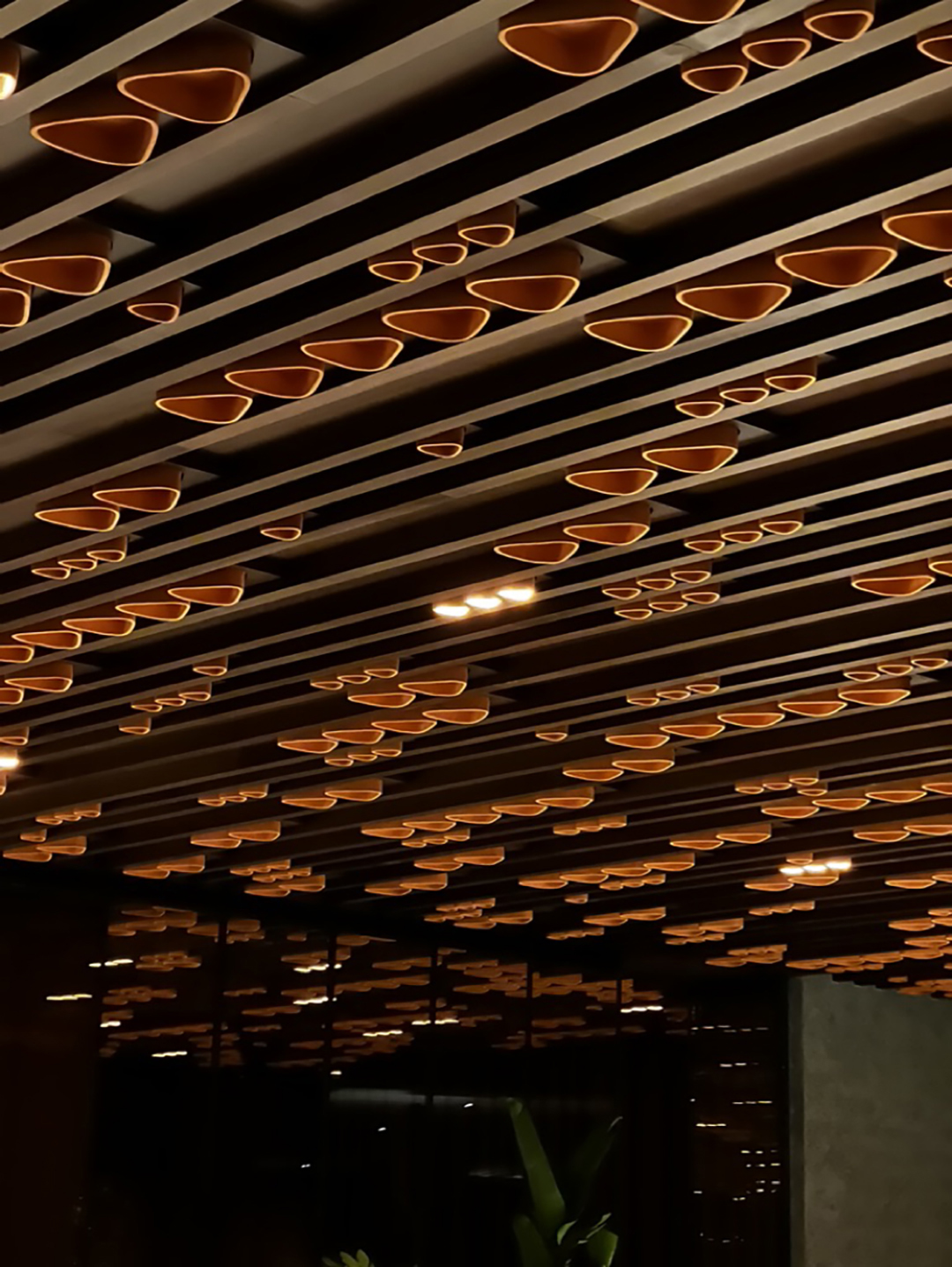
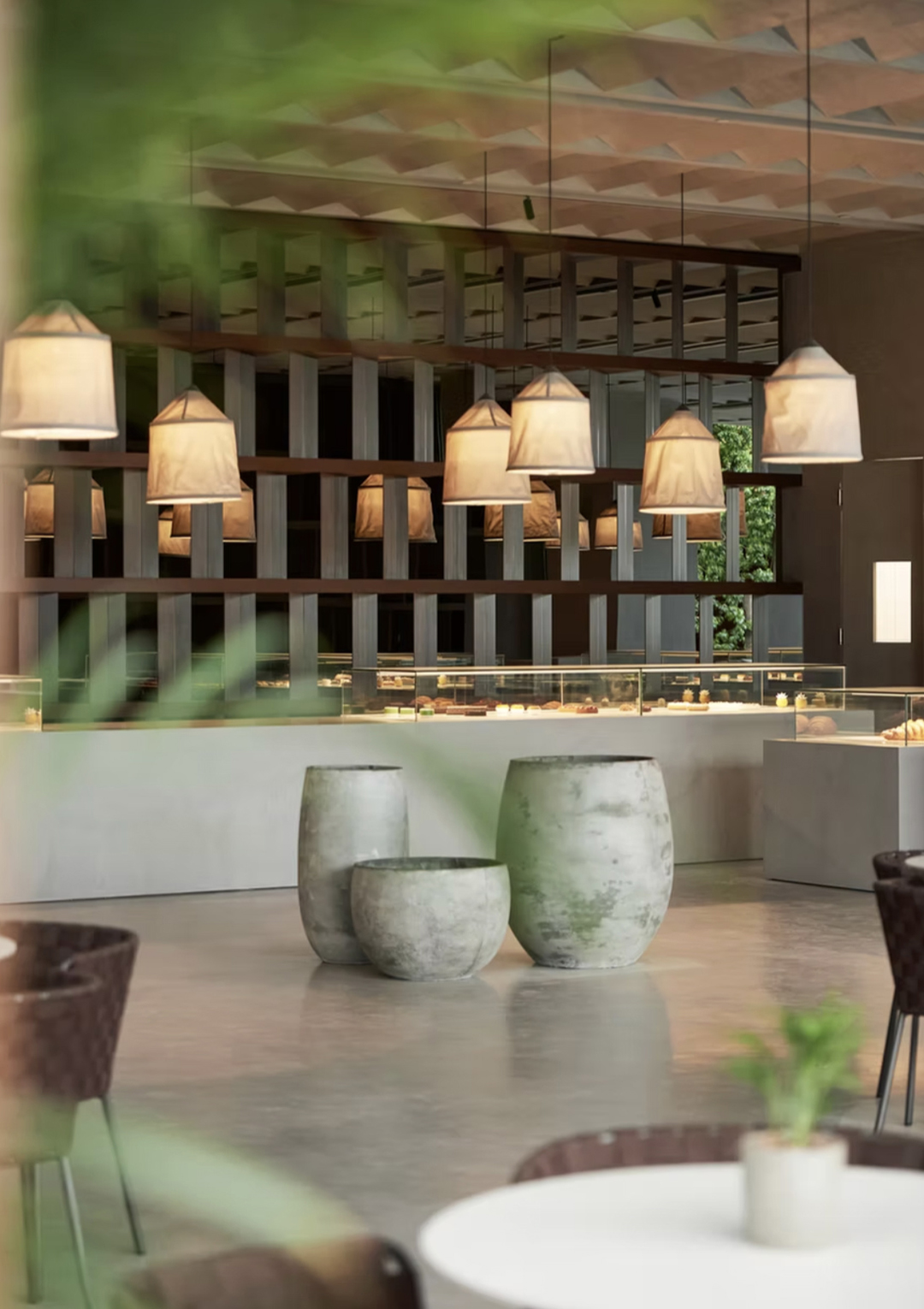
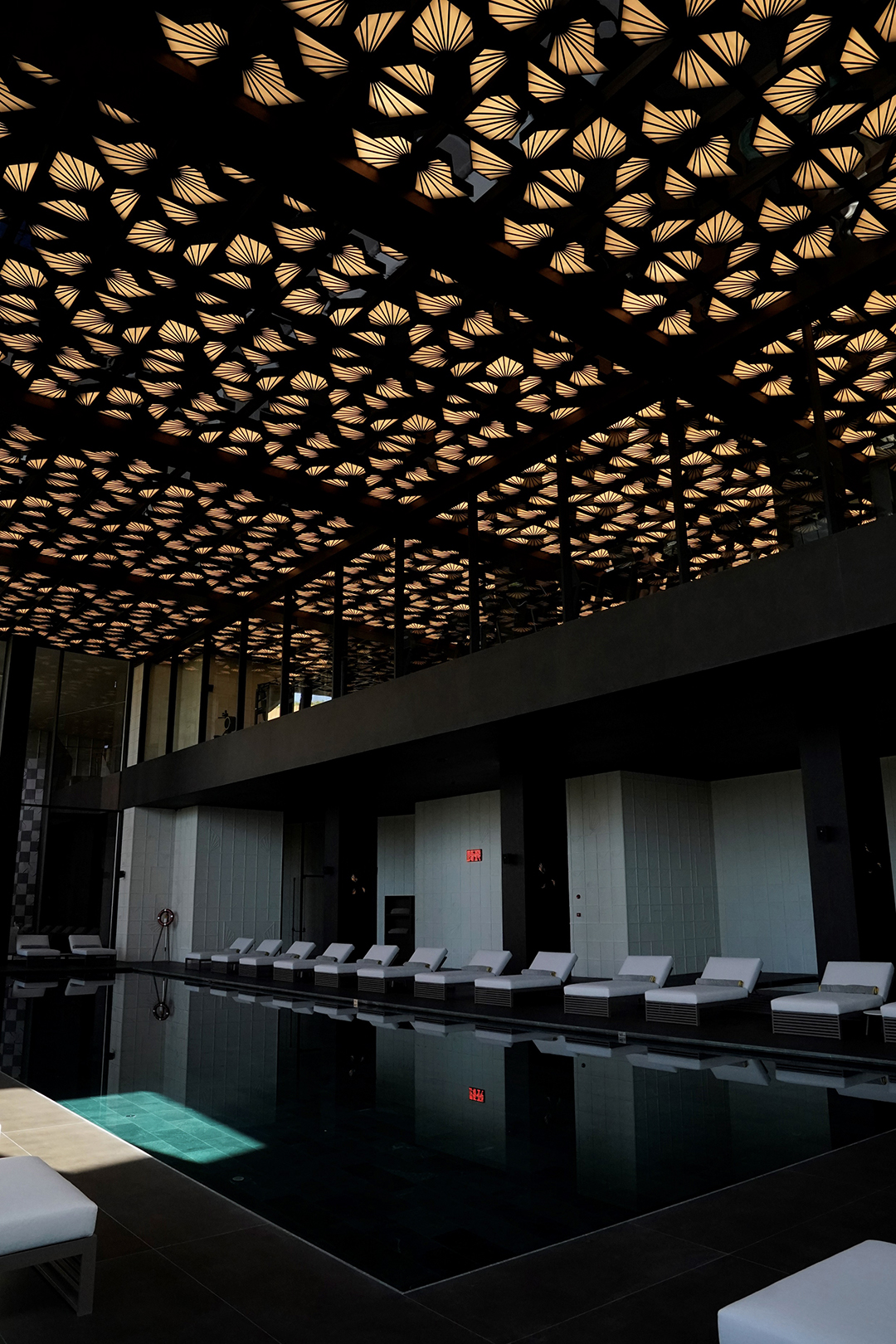
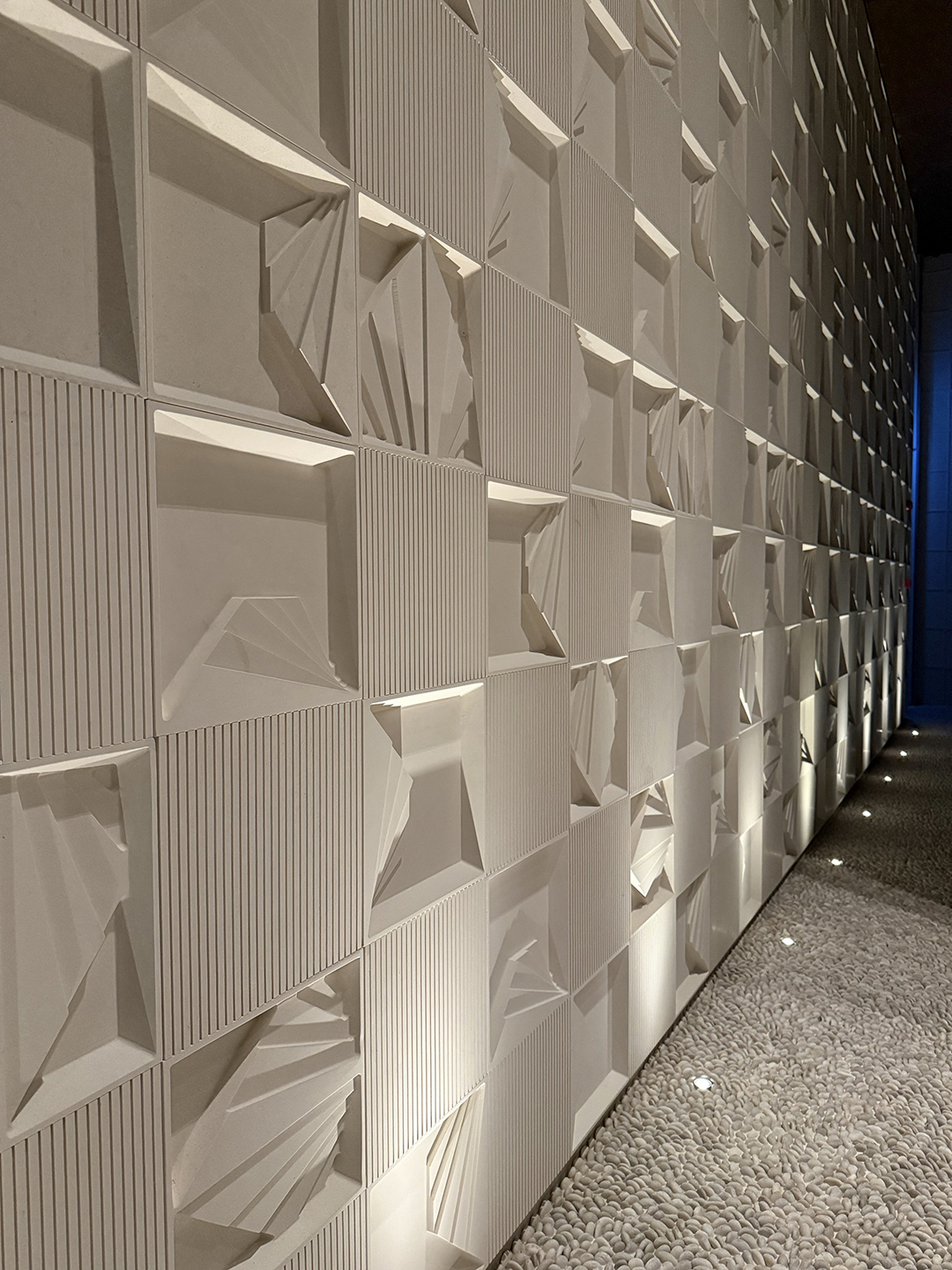
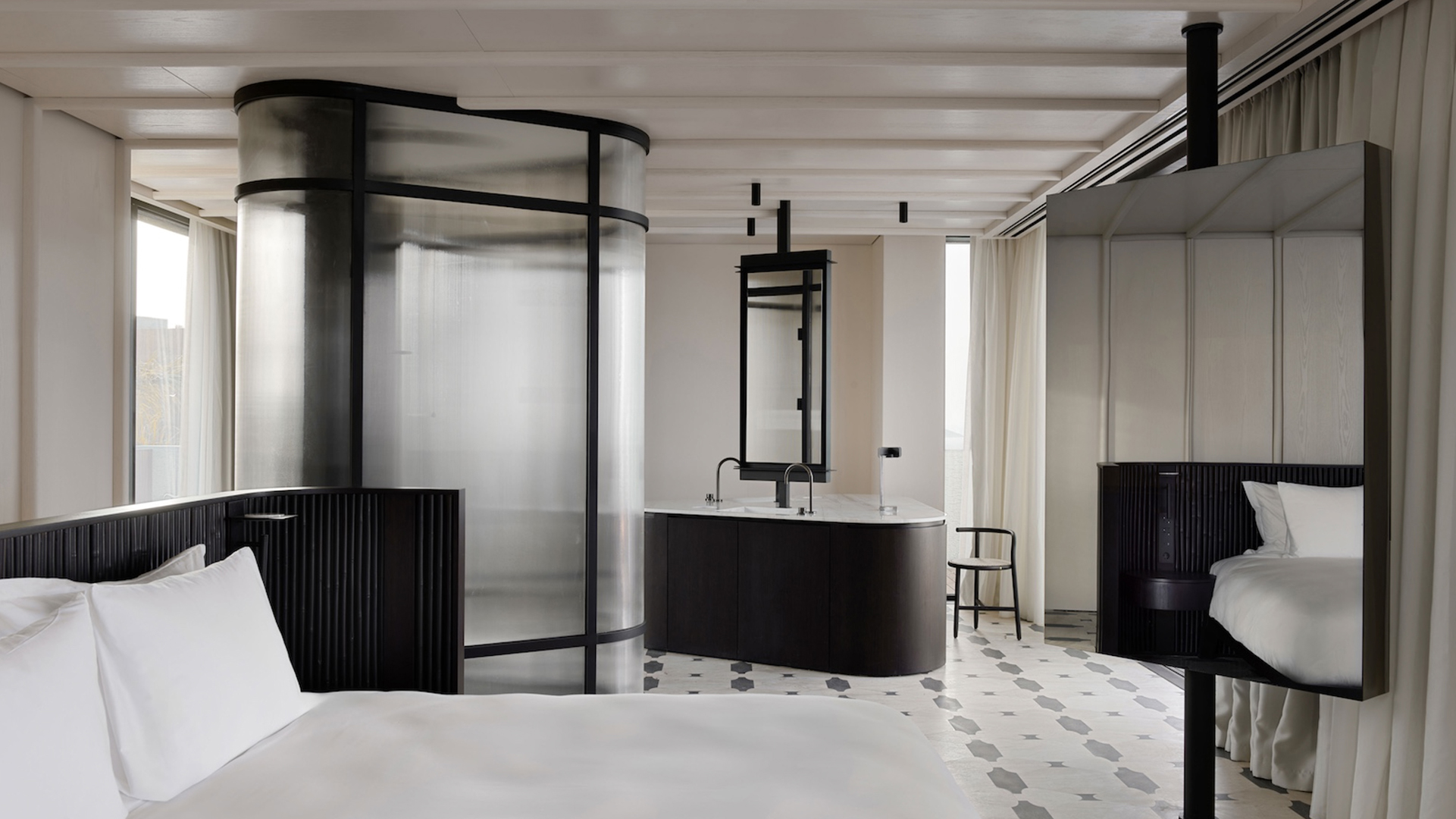
Custom-designed integrated lighting elements, dedicated lighting systems that support plant growth, and DALI-controlled warm lighting scenarios formed the foundation of a sustainable approach that considered architecture, landscape, and user experience as a single, cohesive whole. Every design decision was made not only to achieve technical performance, but also to strengthen the relationship between the space and the night.
As a result of this approach, the project achieved full marks in the lighting category of the LEED Platinum certification, demonstrating that sustainability is defined not only by energy efficiency, but also by the respect shown for darkness.
Because to us, well-designed light does not erase darkness—it reveals its true value.