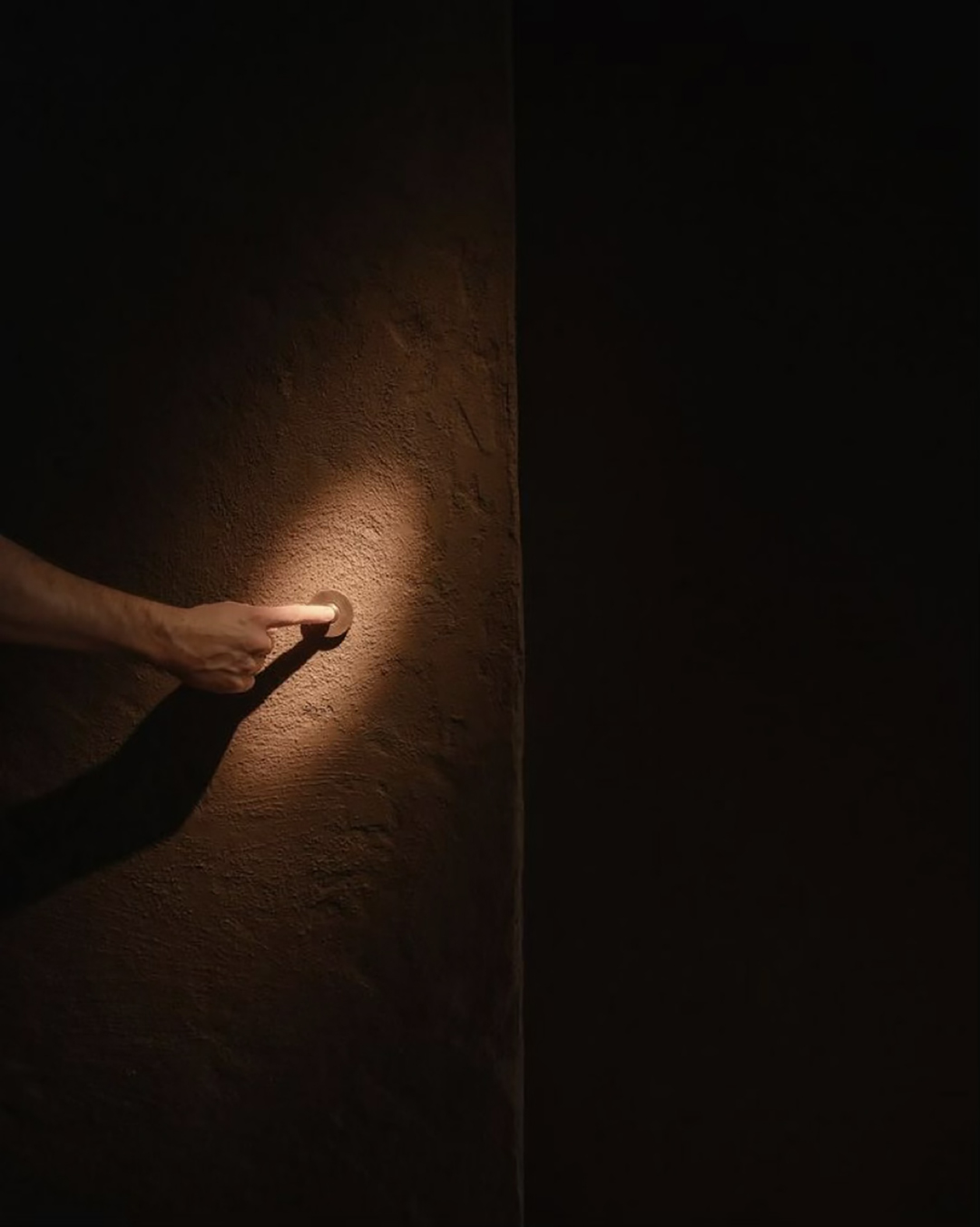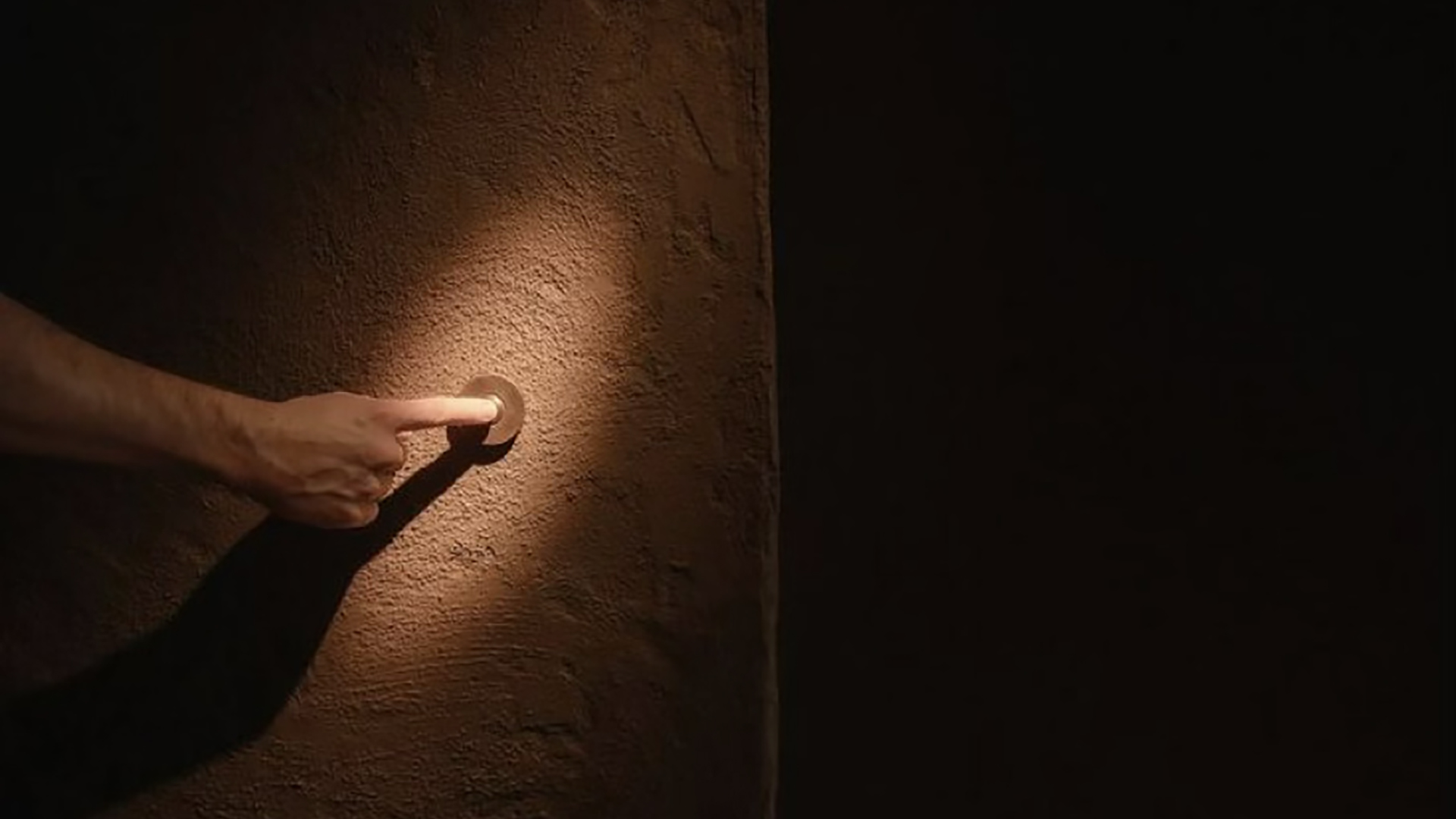
When we enter a space, our eyes are often drawn to its brightest point.
Light falling on a painting invites us to pause and look, while the soft glow of a seating area suggests where we might settle. In a crowded hotel lobby, it is no coincidence that a chair highlighted by light catches our attention before the others. Light directs attention without the need for a sign.
Accent lighting does more than bring an object into focus. In a hotel lobby, it can make reception easier to find; in a retail space, it can draw attention to a particular product. In a restaurant, it can signal the transition from a lively entrance to a quieter seating area. The effect depends less on the amount of light than on its relationship with the surroundings. A painting may recede against a fully illuminated wall, yet become the focal point against a more subdued surface.
But when everything is emphasized, nothing truly stands out. For light to have an impact, some areas must remain in shadow, some surfaces must recede, and some transitions must remain understated. The eye can then pause at one point before moving on to discover another detail.
Well-designed light does not impose a route. It guides attention with subtlety, leaving room to look, pause and explore.