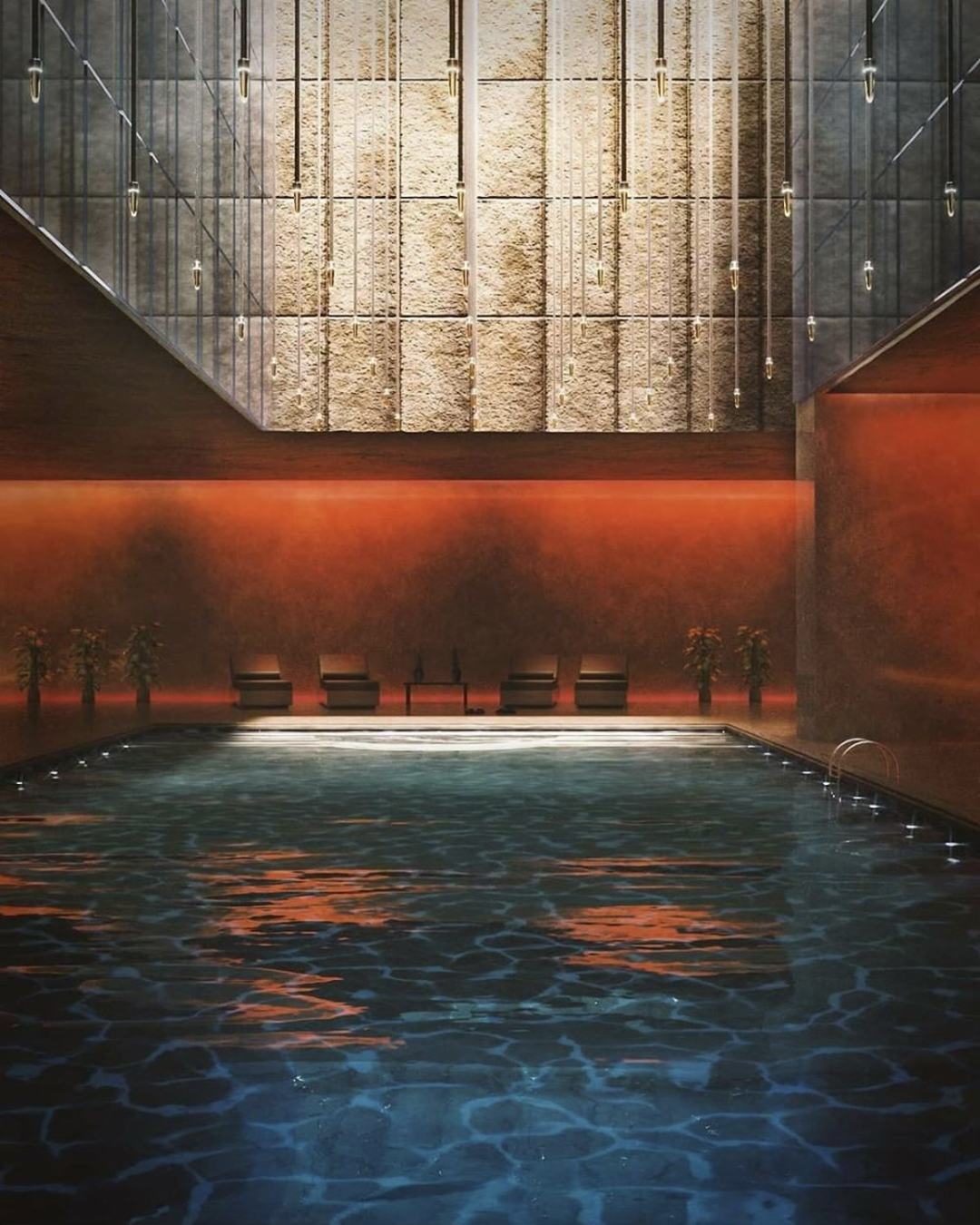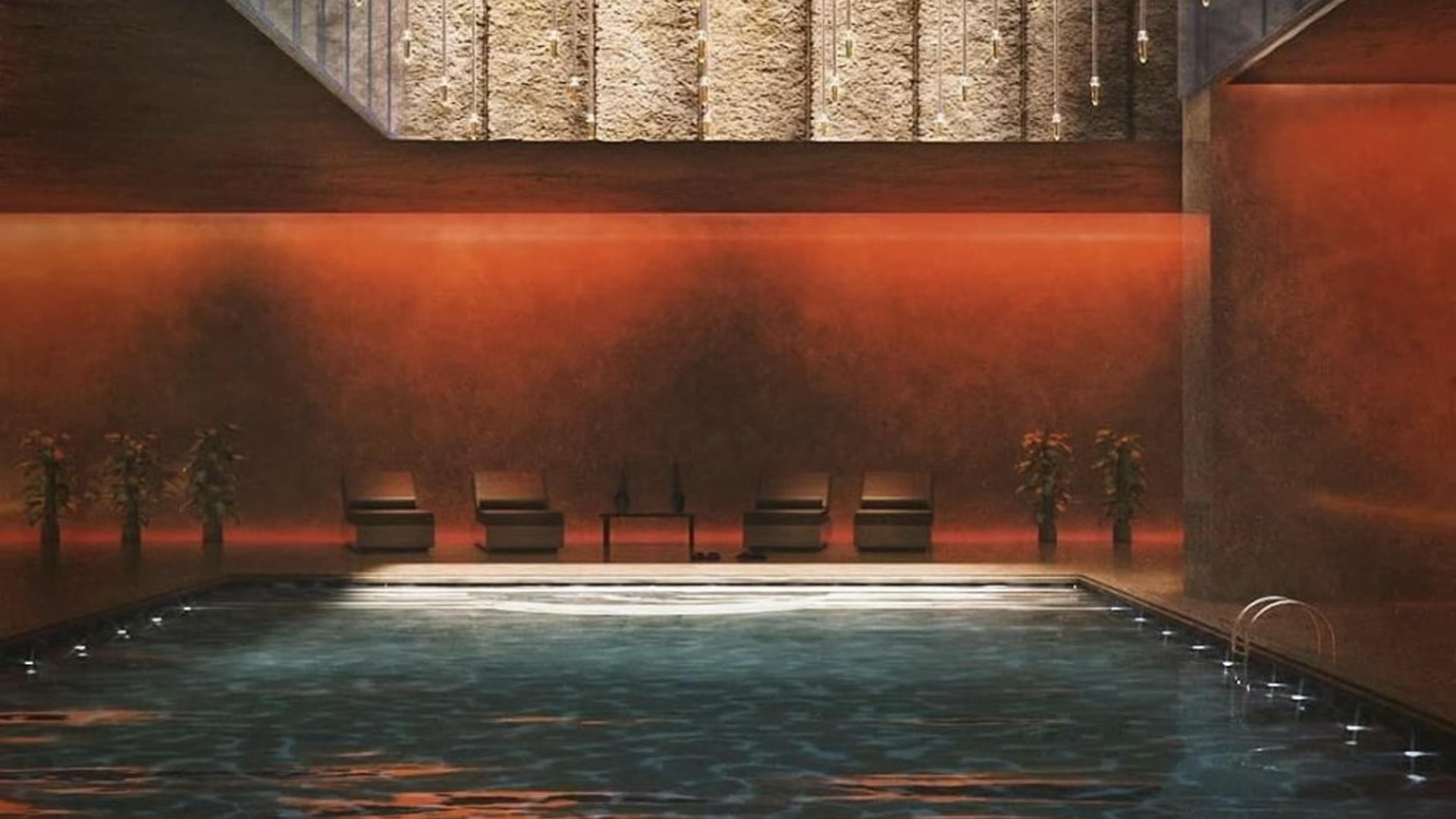
Light exists in a space as more than what leaves its source.
As it encounters different surfaces, materials and textures, it transforms — reflecting, diffusing, softening or reappearing in new forms. Each surface alters its character, giving light a distinct expression and effect.
This interaction allows light to be perceived at different intensities throughout a space. It becomes more pronounced in some areas, while softening and receding across others. The continuity created by reflections and transitions adds depth and layers to the space, establishing visual connections between its elements.
The character of a material shapes the way light is perceived. Matte and textured surfaces diffuse light more quietly, while glossy and reflective surfaces bring it back into view. The same light acquires a different intensity, brightness and expression with every surface it encounters.
Light thus becomes more than a means of illumination. It moves across surfaces, changes form and shapes the character of a space.